Maria Magdalena Alvarez Galvez, individually and as the Guardian of her minor children, Heisha Munoz and Clamil Munoz, et al. v. Fanjul Corporation and Central Romana Corporation, Ltd.
On Monday, January 27, 2020, twenty-four men, women, and children filed suit against the Central Romana Corporation and its parent company, the Fanjul Corporation, in U.S. district court for the companies’ alleging forcible eviction from their homes in the Dominican Republic in January 2016. The twenty-four victims are seeking justice and compensation from these corporations, asserting that the companies are responsible for violating their human rights four years ago.
These twenty-four men, women, and children were some of the sixty families who allege they were forcibly evicted from their homes during the night of January 26, 2016, a public holiday in the Dominican Republic. Around 3:00 that morning, the plaintiffs reported that heavily armed guards from the Dominican sugar company Central Romana entered the Villa Guerrero neighborhood in the province of El Seibo in the Dominican Republic and forcibly evicted these sixty families. The guards then started to destroy the homes, even as many of the plaintiffs-– including children– were still physically present in them. Plaintiffs further allege that the guards did not provide written authorization from the state attorney to evict the residents, nor did they have the Plaintiffs’ consent to evict the families and destroy their homes.
According to the complaint, Plaintiffs have received no reparations from either Central Romana or its parent company as redress for the destruction of their homes or for the trauma that the plaintiffs-- especially children- have suffered as a result of these violent evictions. There has been no offer of alternative housing for families who report living in extreme poverty, although the victims state that they have been attempting to get redress within the Dominican Republic for four years. The Dominican Office of the Public Prosecutor refused to consider the evictions as a criminal infraction. The victims then attempted, without success, to find local lawyers who would bring a civil suit against Central Romana in the Dominican Republic. Plaintiffs ultimately filed their case in district court in Florida, where both Central Romana and the Fanjul Corporation have a business presence.
Central Romana and the Fanjul Corporation
The Fanjul Corporation is a Florida-based company and is the largest producer of refined sugar in the U.S. Led by brothers Alfonso and Jose Pepe Fanjul, the Fanjul Corporation and its subsidiaries produce over 7 million tons of sugar each year. This sugar is sold under a variety of brand names, including Domino. The companies are worth somewhere between $500 million (an estimate from 1987) and $3 billion (an estimate from 2008).
Since the Fanjul Group acquired Central Romana in 1984, it has become one of the most powerful companies in the Dominican Republic. It produces most of the Dominican Republic’s sugar, and Central Romana is the largest private landowner and employer in the country. Central Romana also manufactures industrial equipment and building materials, raises livestock, provides electric and water services to the city of La Romana, and operates two luxury hotels in the region.
Central Romana and the Fanjul Corporation appear to be closely connected. Fanjul family members serve on both companies’ boards and the Fanjul brothers are executives of both companies. The plaintiffs argue that this close connection provides an adequate basis to hold both companies legally liable for the harm the plaintiffs allege was caused by Central Romana.
Continued Violations of Internationally Recognized Rights in the Sugar Industry
Regardless of the outcome of the litigation, Central Romana’s and the Fanjul Corporation’s alleged actions if proven, could constitute unlawful evictions under applicable law. International conventions like the International Convention on Civil and Political Rights and the Universal Declaration of Human Rights, would characterize such conduct as violative of the right of security of person, the right to freedom from degrading treatment, the right to freedom from arbitrary deprivation of property, the rights of the child, the right to self-determination, and the right to adequate housing and standard of living. The Dominican Republic’s own constitution recognizes the types of harm the families allege as a constitutional violation of their right to housing.
Despite explicit international prohibitions, this type of conduct is not unique in the sugar industry. In 2006, Cambodian sugar companies, which ultimately produced sugar for American Sugar Refining and other Fanjul organizations, reportedly violently expelled nearly 500 families from their land. Community members accused the sugar companies of beating and shooting members of the community, and engaging in an illegal land grab. Other sugar companies around the world have similarly faced criticism for alleged abuse and misconduct. A 2013 Oxfam report outlines how multiple Brazilian sugar companies have been accused of violently displacing indigenous communities to expand sugar plantations.
Other Avenues of Recourse
Advocates for the displaced families are hopeful that their claims will result in the remediation to which these victims are entitled. However, other avenues for recourse may also be available to these families and other victims of alleged land grabbing.
Along with a civil complaint, Cambodian families displaced by sugar companies filed a claim with the OECD, the National Human Rights Commission of Thailand, and Bonsucro, a certification scheme for socially-responsible sugar production. This multifaceted advocacy strategy led to international recognition of the families’ rights and condemnation of the companies’ actions. The National Human Rights Commission of Thailand released a report stating that the sugar companies’ conduct violated the victims’ fundamental human rights of self-determination. Bonsucro suspended the companies’ membership, which ultimately led them to resign from the certification scheme. Finally, the OECD made a final statement outlining that the complaint had substantiated claims and recommending that American Sugar Refining address these issues with the communities.
While the families in the Dominican Republic await their day in court, their advocates could also follow the strategies employed by the Cambodian families. In conjunction with those avenues, the families could consider petitioning the Inter-American Commission for Human Rights (IACHR). In petitioning the IACHR, the families could argue that the Dominican Republic has failed to uphold the rights outlined in the American Convention on Human Rights, specifically article 5, the right to humane treatment, article 8, the right to a fair trial, and article 21, the right to property. Additionally, the families could consider bringing their allegations of harm to the attention of the Fanjul Corporation’s end buyers of the sugar. Some companies, such as Coca-Cola, have “zero tolerance for land grabbing policies” that specifically ban any of their suppliers from land grabbing. Engaging with a company like Coca-Cola could grant the families leverage over Central Romana and the Fanjul Corporation to address ther harms alleged in their lawsuit.
Whatever happens in the next few months, bringing a civil case in U.S. district court is an important first step. It will hopefully allow the victims to tell their stories and be heard and could result in legal redress for the families. It’s a step towards holding large corporations accountable for reported violations of human rights, no matter where they occur.
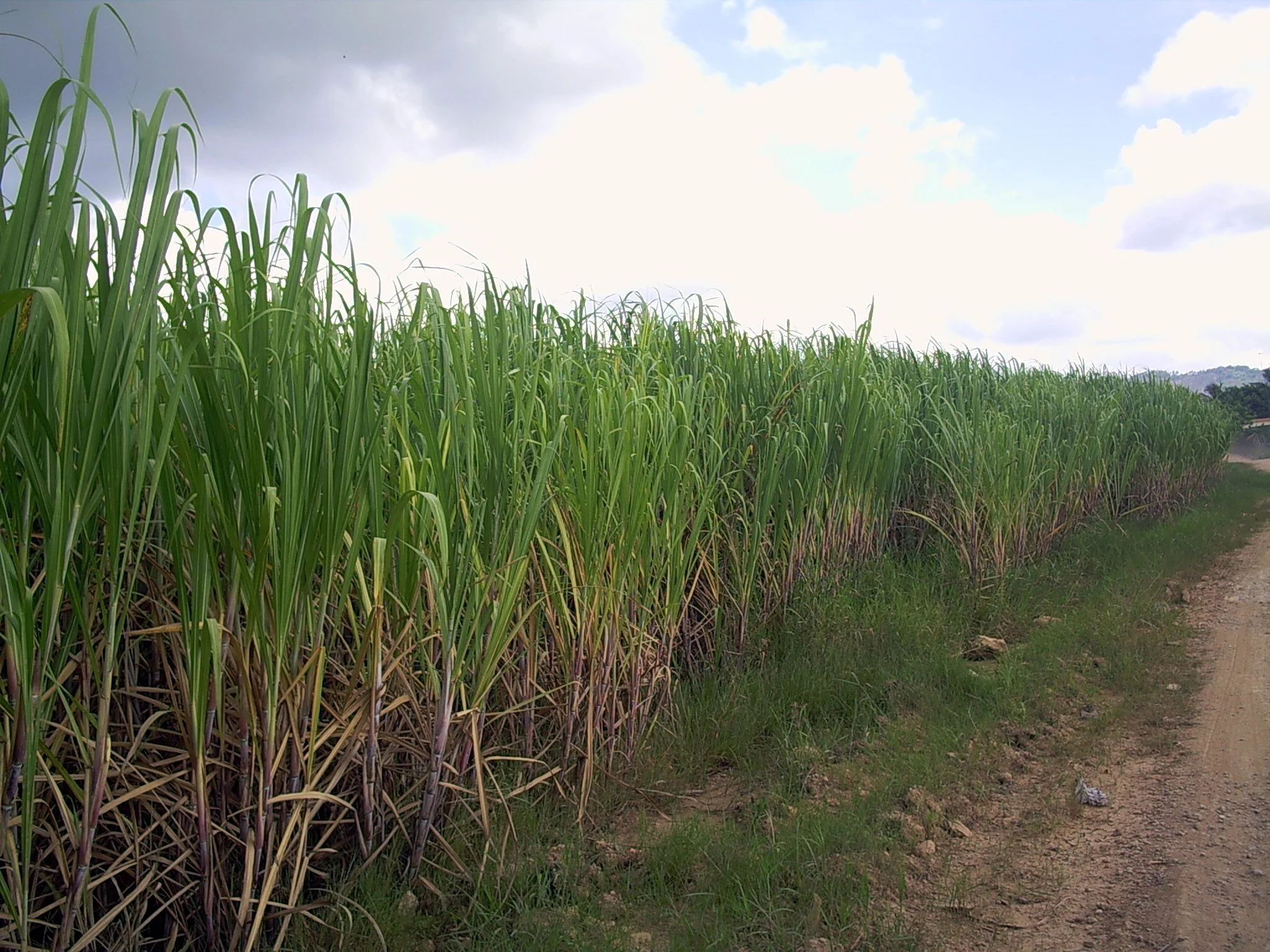
Image courtesy of I, Friviere.
Edited on April 16, 2026.
