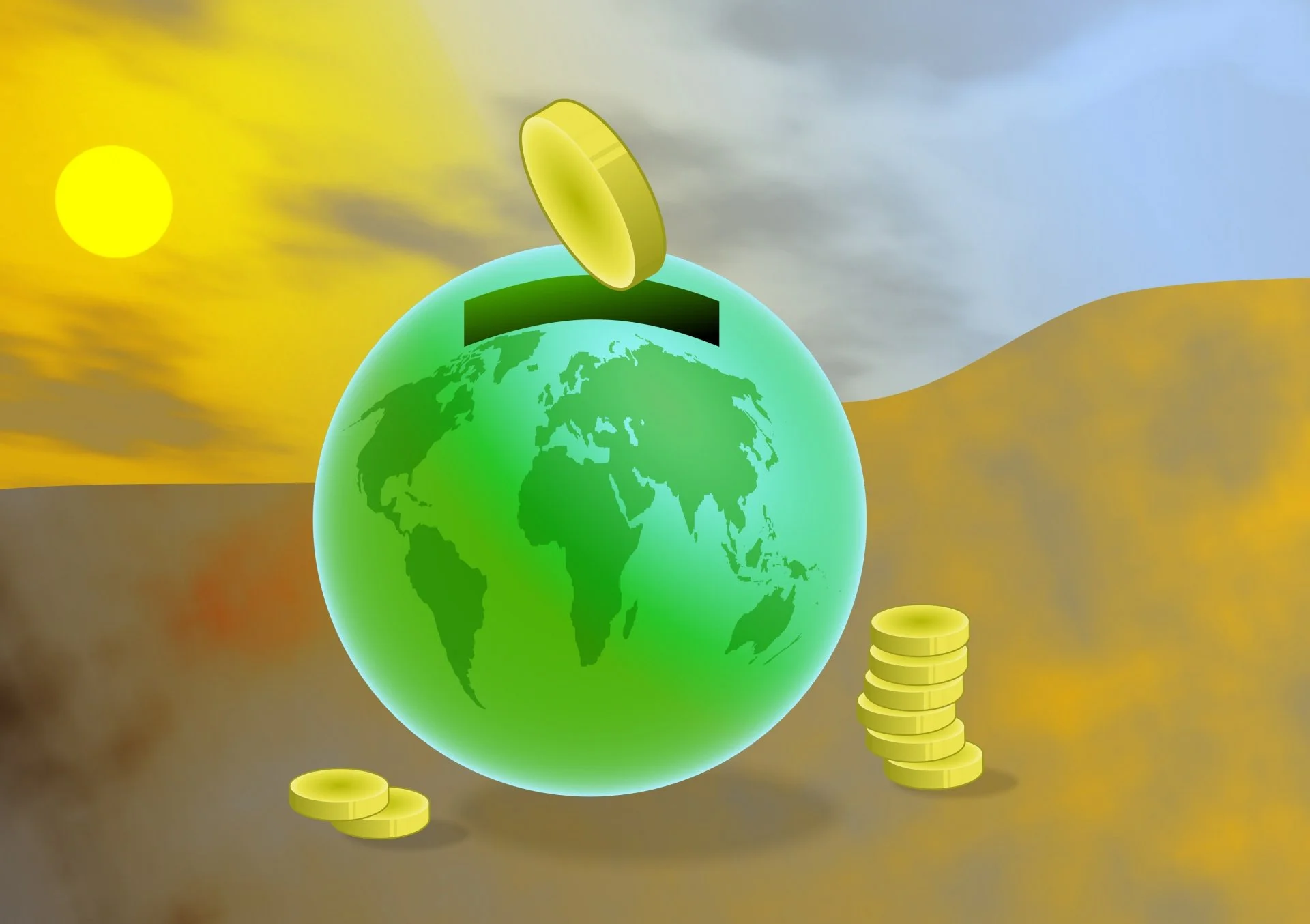

These days, if you go into a grocery store, there are numerous labels on food products touting how ethical and sustainable the product is. Yet these certification labels often misrepresent the labor and environmental standards used to produce these products. Certification schemes, such as Fairtrade International, were initially developed to provide workers – often farm workers in rural areas – with increased income, better working conditions, and a steady stream of buyers. Moreover, they signaled to consumers that the products were produced sustainably, without exploiting workers, children, or the environment.

DOJ settlements and fines against Glencore and Lafarge won’t compensate victims of bribery practices and terrorist financing abroad, but it’s a start
Last month, Glencore and Lafarge, two well-known multinationals, made international headlines after their guilty pleas for criminal conduct abroad led to multimillion dollar settlements and gave rise to civil claims. This post discusses the Glencore and Lafarge cases and their recent guilty pleas for bribery and for financing foreign terrorist organizations, respectively. These cases are discussed through the lens of the DOJ’s new strategy to prosecute corporate misconduct. This blog considers how these cases could be a starting point for corporate accountability and access to remedy, rather than as the gold standard.
Two Years On: Corporate Power Yields to Nothing, Not Even Democracy
Two years ago, US democracy was threatened when election-denying citizens and militias stormed the US Capitol, demanding that federal representatives overturn the results of a valid election. This insurrection, while ultimately unsuccessful, cost lives and called into stark question the future of American democratic institutions. In the wake of this deadly attack, companies across the United States, including many of the largest, pledged not to support members of Congress who fueled the insurrection and voted — in the early morning of January 7, 2021, mere hours after Capitol windows were smashed and Capitol police were beaten — to abandon the winner of an election that was unambiguously fair and free.
A year ago today, on the first anniversary of this anti-democratic attack, we wrote about the scores of Fortune 500 companies that funded election-denying members of Congress, even after making — and, no doubt, profiting from — public vows not to. At that time, we said that better politics and stronger democratic institutions depended on reimagining corporate power. Consider this our progress report.
CAL & EarthRights Launch Updated Guide to Foreign Legal Assistance Statute, Allowing Attorneys Suing Companies Access to Discovery Process in the US
In 2019, CAL partnered with EarthRights International to update their Guide to the Foreign Legal Assistance statute. Given that the US is an increasingly difficult jurisdiction for transnational human rights cases against companies, this tool provides an opportunity for workers and community members to access key evidence located in the US even where they may not have been able to bring suit there.
Introducing our Colombian Transitional Justice Project & Newest Staff Member
CAL is excited to introduce our newest staff attorney, Tatiana Devia. In this introductory blog, Tatiana discusses CAL’s work related to Transitional Justice in Colombia, and how the Colombian armed conflict has played a role in her own story. You can reach Tatiana by email at tatiana.devia@corpaccountabilitylab.org.


