


Blog

Central Romana y el Gobierno dominicano niegan trabajo forzoso—48 organizaciones responden

En agosto de 2026, Corporate Accountability Lab (CAL) publicó Bitter Empire: Labor Exploitation in the Dominican Sugar Sector and the Trump-Billionaire Alliance Behind It, un informe basado en más de tres años de investigación de campo y entrevistas con trabajadores sobre las condiciones laborales en la industria azucarera dominicana. El informe documenta bajos salarios, problemas con el pago y las prestaciones, viviendas deterioradas, condiciones inadecuadas de trabajo, intimidación y otras condiciones asociadas a indicadores de trabajo forzoso.

Central Romana respondió calificando el informe de “plagado de inexactitudes y falsedades” y sostuvo que presentar como hechos las denuncias recogidas en el informe era difamatorio. La empresa también señaló que trabaja para mejorar las condiciones laborales y de vida de sus trabajadores y que cumple con las leyes dominicanas y los estándares internacionales.

Días después, el ministro de Trabajo, Eddy Olivares, afirmó que en República Dominicana no existe trabajo forzoso y defendió el trabajo de inspección de su ministerio. Según sus declaraciones, el país no puede ser calificado como un lugar donde existe trabajo forzoso.

En respuesta a estas declaraciones, 48 organizaciones de República Dominicana, América Latina y el Caribe, y Europa suscribieron un comunicado en respaldo a los hallazgos de CAL. Señalaron que las condiciones documentadas en el informe no son nuevas y que trabajadores y organizaciones las vienen denunciando desde hace años.

“Las organizaciones abajo firmantes expresamos nuestra preocupación por la persistencia del trabajo forzoso en la industria azucarera dominicana y denunciamos la complicidad del Gobierno dominicano y de autoridades estadounidenses, reflejada, entre otros hechos, en el levantamiento de la restricción a las importaciones de azúcar de Central Romana pese a la persistencia de denuncias sobre trabajo forzoso. Esta realidad consta en diversas investigaciones e informes sobre derechos humanos, incluyendo el reciente informe de Corporate Accountability Lab (CAL), Bitter Empire: Labor Exploitation in the Dominican Sugar Sector and the Trump-Billionaire Alliance Behind It. Las graves condiciones laborales y de vida documentadas en el sector azucarero dominicano no son nuevas ni pueden descartarse calificándolas de falsas o difamatorias.”

El comunicado insta a Central Romana a publicar una evaluación realizada por Elevate, una firma especializada en auditorías laborales y cadenas de suministro, que según la empresa no encontró evidencia de trabajo forzoso. Las organizaciones sostuvieron que “si la empresa utiliza esa evaluación para defender sus prácticas laborales, debe publicar íntegramente sus resultados, metodología y recomendaciones. La transparencia exige que la documentación utilizada para sustentar esas afirmaciones pueda ser sometida al escrutinio público”.

Las organizaciones también fueron críticas con la falta de protección adecuada por parte del Estado dominicano a las personas migrantes haitianas y trabajadoras de ascendencia haitiana. Según el comunicado, estas personas están expuestas a “detenciones y deportaciones arbitrarias que violan la normativa nacional” y señalaron que “persisten barreras para la regularización del estatus legal, el acceso a servicios esenciales y el ejercicio y defensa de sus derechos. En estas condiciones, no puede afirmarse seriamente que los trabajadores del sector azucarero sean realmente libres para denunciar abusos, abandonar un empleo, exigir salarios y prestaciones o acudir a la justicia. Quienes viven bajo el miedo, la incertidumbre y la amenaza constante de expulsión difícilmente pueden ejercer sus derechos laborales en condiciones de igualdad”.

Finalmente, destacaron la posición “contradictoria” del Gobierno estadounidense, que ha impuesto aranceles a República Dominicana por no implementar y hacer cumplir una prohibición a las importaciones de productos elaborados con trabajo forzoso, por un lado, mientras permite nuevamente el ingreso al mercado estadounidense del azúcar producido por Central Romana. “Esta contradicción pone en entredicho la coherencia de la política estadounidense en materia de trabajo forzoso y exige esclarecer las circunstancias en las que se levantó la Orden de Retención de Importaciones (WRO)”.

Las siguientes organizaciones suscribieron el comunicado:

Organizaciones firmantes de República Dominicana

• Articulación Nacional Campesina (ANC)

• Asociación Acción Verapaz

• Asociación de Seibanos con Discapacidad

• Asociación de Seibanos Sin Techo

• Asociación Servicios Culturales Dominicanos

• Asociación Valle de Bendición

• Centro De Investigacion Y Promocion Social -CIPROS

• Centro de Estudios Institucionales de Teología Santo Domingo de Guzmán (CEIT)

• Centro de Salud Fr. Luis Oregui

• Colectivo HaitianosRD

• Comisión Nacional de los Derechos Humanos

• Coordinadora Popular Nacional (CPN) / RD

• Frente Amplio de Lucha Popular (FALPO)

• Hermanas Dominicas de Nuestra Rosario de Fátima

• Hermanas Misioneras de la Asunción

• Hermanas Scalabrinianas

• Misioneras Dominicas del Rosario

• Movimiento Bayahibe Despierta

• Movimiento Popular Dominicano

• Movimiento RECONOCIDO

• Movimiento Socialista de Trabajadoras y Trabajadores

• Movimiento Unidos por una mejor Provincia de El Seibo

• Orden de Predicadores – Dominicos

• Patria Para Todos (PPT)

• Proyecto Agropecuario Virgen de Covadonga

• Radio Seybo

• Red CLAMOR

• Red Urbano Popular

• Servicio Jesuita con Migrantes República Dominicana

• Unión de Trabajadores Cañeros (UTC)

Organizaciones firmantes de América Latina

• Asociación Latinoamericana y Caribeña de Educación y Comunicación Popular (ALER)

• Centro de Investigación, Formación y Emprendimiento (CIFEm)

• Comissão Pastoral da Terra - CPT

• Parroquia del Sagrado Corazón de Jesús de La Habana

• Pax Christi Internacional

• Programa y Red Latinoamericana y Caribeña de Tierras y Aguas

Organizaciones firmantes de Europa

• Asociación Acción Verapaz

• Asociación Colectivo Agar, espacio de investigación y encuentro desde la diversidad

• Asociación Colectivo Territorio Doméstico

• Asociación Riojana de Solidaridad Anacaona. CIF G-26419598

• Asociación Senda de Cuidados

• Asociación Studium Pro Aequalitas

• Fraternidad de laicos de Santo Domingo de San Martín de Porres

• Fraternidad de laicos Dominicos de Torrent

• Fraternidad Laical de Santo Domingo Nuestra Señora de Atocha

• Misioneros Dominicos – Selvas Amazónicas

• Observatorio de Derechos Humanos Samba Martine

• Dominicans for Justice and Peace

Print Friendly and PDF

Central Romana and the Dominican Government Deny Forced Labor —48 Organizations Respond

In August 2026, Corporate Accountability Lab (CAL) published Bitter Empire: Labor Exploitation in the Dominican Sugar Sector and the Trump-Billionaire Alliance Behind It, a report based on more than three years of field research and interviews with workers about labor conditions in the Dominican sugar industry. The report documents low wages, problems with pay and benefits, deteriorating housing, inadequate working conditions, intimidation, and other conditions associated with indicators of forced labor.

Central Romana responded by calling the report “riddled with inaccuracies and falsehoods” and argued that presenting the allegations documented in the report as facts was defamatory. The company also stated that it is working to improve the labor and living conditions of its workers and complies with Dominican law and international standards.

Days later, Minister of Labor Eddy Olivares said that forced labor does not exist in the Dominican Republic and defended his ministry’s inspection work. According to his statements, the country cannot be characterized as a place where forced labor exists.

In response to these statements, 48 organizations from the Dominican Republic, Latin America and the Caribbean, and Europe signed a statement supporting CAL’s findings. They noted that the conditions documented in the report are not new and that workers and organizations have been raising these concerns for years.

“The undersigned organizations express our concern regarding the persistence of forced labor in the Dominican sugar industry and denounce the complicity of the Dominican government and U.S. authorities—evidenced, among other things, by the lifting of the import ban on sugar from Central Romana despite ongoing allegations of forced labor. This reality is documented in various investigations and human rights reports, including the recent report by Corporate Accountability Lab…The severe working and living conditions documented in the Dominican sugar sector are neither new nor can they be dismissed as false or defamatory.”

The statement calls upon Central Romana to release an assessment conducted by Elevate, a firm specializing in labor and supply-chain audits, which the company claims found no evidence of forced labor. The organizations argued that “[i]f the company uses that assessment to defend its labor practices, it must publish the full results, methodology, and recommendations. Transparency requires that the documentation used to support those claims be open to public scrutiny.”

The organizations were also critical of the failure of the Dominican state to adequately protect Haitian migrants and workers of Haitian descent. According to the statement, these workers are exposed to “arbitrary detentions and deportations that violate national regulations,” and identified that “barriers persist regarding legal status regularization, access to essential services, and the exercise and defense of their rights. Under these conditions, it cannot seriously be claimed that sugar sector workers are truly free to report abuses, leave a job, demand wages and benefits, or seek legal redress. Those living in fear, uncertainty, and under the constant threat of expulsion can hardly exercise their labor rights on equal terms.”

Finally, they highlighted the “contradictory” position of the U.S. government, which has imposed tariffs on the Dominican Republic for failing to implement and enforce a forced labor import ban, on the one hand, while allowing Central Romana sugar back into the U.S. market. “This contradiction calls into question the consistency of U.S. policy regarding forced labor and necessitates clarification of the circumstances under which the Withhold Release Order (WRO) was lifted.”


The following organizations signed on to the statement:

From the Dominican Republic

• Articulación Nacional Campesina (ANC)

• Asociación Acción Verapaz

• Asociación de Seibanos con Discapacidad

• Asociación de Seibanos Sin Techo

• Asociación Servicios Culturales Dominicanos

• Asociación Valle de Bendición

• Centro De Investigacion Y Promocion Social -CIPROS

• Centro de Estudios Institucionales de Teología Santo Domingo de Guzmán (CEIT)

• Centro de Salud Fr. Luis Oregui

• Colectivo HaitianosRD

• Comisión Nacional de los Derechos Humanos

• Coordinadora Popular Nacional (CPN) / RD

• Frente Amplio de Lucha Popular (FALPO)

• Hermanas Dominicas de Nuestra Rosario de Fátima

• Hermanas Misioneras de la Asunción

• Hermanas Scalabrinianas

• Misioneras Dominicas del Rosario

• Movimiento Bayahibe Despierta

• Movimiento Popular Dominicano

• Movimiento RECONOCIDO

• Movimiento Socialista de Trabajadoras y Trabajadores

• Movimiento Unidos por una mejor Provincia de El Seibo

• Orden de Predicadores – Dominicos

• Patria Para Todos (PPT)

• Proyecto Agropecuario Virgen de Covadonga

• Radio Seybo

• Red CLAMOR

• Red Urbano Popular

• Servicio Jesuita con Migrantes República Dominicana

• Unión de Trabajadores Cañeros (UTC)

From Latin America

• Asociación Latinoamericana y Caribeña de Educación y Comunicación Popular (ALER)

• Centro de Investigación, Formación y Emprendimiento (CIFEm)

• Comissão Pastoral da Terra - CPT

• Parroquia del Sagrado Corazón de Jesús de La Habana

• Pax Christi Internacional

• Programa y Red Latinoamericana y Caribeña de Tierras y Aguas

From Europe

• Asociación Acción Verapaz

• Asociación Colectivo Agar, espacio de investigación y encuentro desde la diversidad

• Asociación Colectivo Territorio Doméstico

• Asociación Riojana de Solidaridad Anacaona. CIF G-26419598

• Asociación Senda de Cuidados

• Asociación Studium Pro Aequalitas

• Fraternidad de laicos de Santo Domingo de San Martín de Porres

• Fraternidad de laicos Dominicos de Torrent

• Fraternidad Laical de Santo Domingo Nuestra Señora de Atocha

• Misioneros Dominicos – Selvas Amazónicas

• Observatorio de Derechos Humanos Samba Martine

• Dominicans for Justice and Peace
Print Friendly and PDF

France’s Duty of Vigilance Law and Pathways to Corporate Accountability

France’s Duty of Vigilance Law and Pathways to Corporate Accountability

Looking forward, France will soon be required to transpose the EU Corporate Sustainability Due Diligence Directive (CSDDD) into its national laws. The CSDDD is a set of regulations aiming to ensure sustainable corporate activity for European companies and their foreign subsidiaries. Originally, the CSDDD was more ambitious than France’s Duty of Vigilance law, but following lobbying from the French government and multi-national corporations––as well as from other EU member governments––the EU has significantly walked back the regulations

Print Friendly and PDF

Corporate Accountability Lab Sues Aqua Star for False Advertising of its “Responsibly Sourced” Shrimp

Corporate Accountability Lab Sues Aqua Star for False Advertising of its “Responsibly Sourced” Shrimp

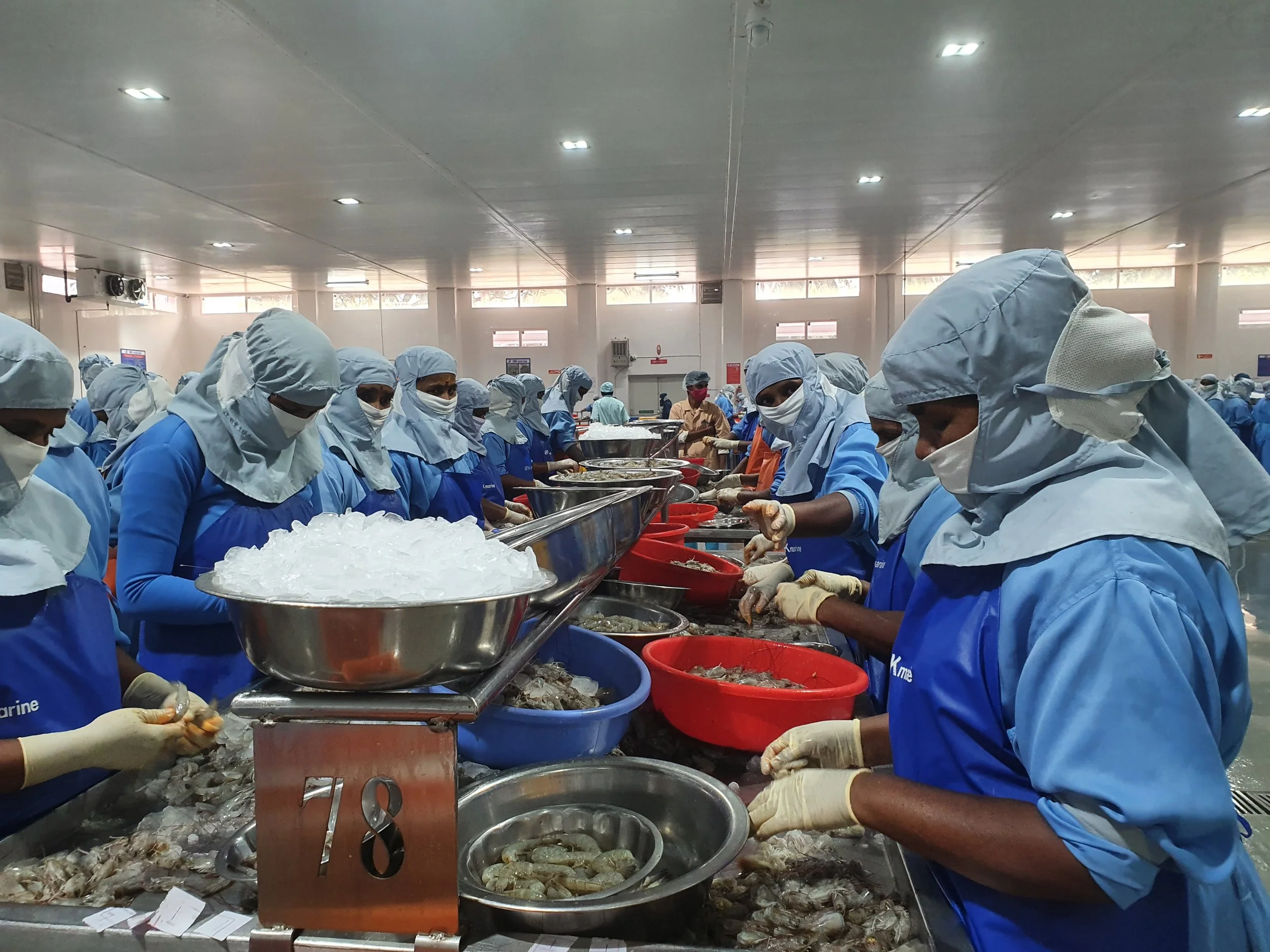
On March 11, 2026, Corporate Accountability Lab and Toxin Free USA filed a lawsuit against seafood giant Aqua Star under Washington, D.C.’s Consumer Protection Procedures Act (CPPA), alleging that the company falsely advertises its farmed shrimp products as “responsibly sourced” and “sustainably sourced.” According to the complaint, Aqua Star sources shrimp from facilities linked to exploitative labor conditions and environmentally destructive practices that have been widely documented in the Indian shrimp industry. The lawsuit alleges that these practices conflict with the Aqua Star’s marketing claims that its shrimp are responsibly and sustainably produced.  

Print Friendly and PDF

“We’re Going to Take Back the Oil”: Venezuela and the Risk of Corporate Capture of U.S. Foreign Policy

“We’re Going to Take Back the Oil”: Venezuela and the Risk of Corporate Capture of U.S. Foreign Policy

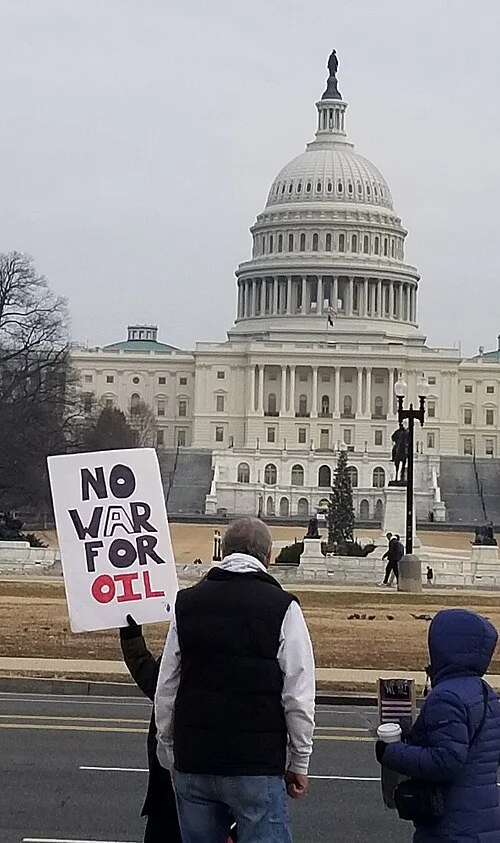
While there are many critiques that could be leveled against the Trump administration in light of Maduro’s arrest, this article questions whether corporate capture of the U.S. government may be driving Trump’s increasingly interventionist foreign policy. Before this month’s operation, Trump justified his administration’s action against Venezuela, including striking more than thirty boats in the Caribbean and threatening future attacks on land, by claiming he was targeting drug-trafficking networks. And in fact, Maduro was arraigned on drug-trafficking charges in federal court in New York. But in the immediate aftermath of Maduro’s arrest, Trump started to discuss Venezuelan oil with increasing frequency, leading us to wonder whether getting “wealth out of the ground” was a deciding factor in the operational decision-making.

Print Friendly and PDF

Five Reasons Litigators Should Join the Climate Fight

Five Reasons Litigators Should Join the Climate Fight

Scaling up climate civil litigation against corporations, the largest greenhouse gas emitters, can hold them accountable for their actions and mitigate additional harms. Climate change litigation can drive down greenhouse gas emissions; push for better responses to the effects of climate change; or provide compensation to impacted communities. By leveraging the creative potential of the law and prioritizing legally viable, replicable, and impactful strategies, litigators may be able to secure remedies that effectively change corporate behavior and create institutional change. 

The climate crisis calls for an all-hands-on-deck response, and litigators from various fields have a critical role to play. For those still on the fence about whether to get involved, here are five reasons why now is the time to bring your unique skill set to the climate fight.

Print Friendly and PDF

Updates on Akhmad, et al. v. Bumble Bee Foods: Moving Towards Justice on the High Seas

Updates on Akhmad, et al. v. Bumble Bee Foods: Moving Towards Justice on the High Seas

In March 2025, four Indonesian fishers filed a lawsuit in California against Bumble Bee Foods, a major U.S. tuna company. The fishers claimed Bumble Bee had violated the prohibition on forced labor under the Trafficking Victims Protection Reauthorization Act (TVPRA). 

On November 12, 2025, a district court allowed the case against Bumble Bee Foods to continue beyond the motion to dismiss stage. This is an important decision, making it more likely that the four plaintiff fishers – who faced severe deprivation and abuse while out at sea – will eventually receive a remedy. 

Print Friendly and PDF

Chicago Under Attack: Federal Violence and the Corporations That Fund It

Chicago Under Attack: Federal Violence and the Corporations That Fund It

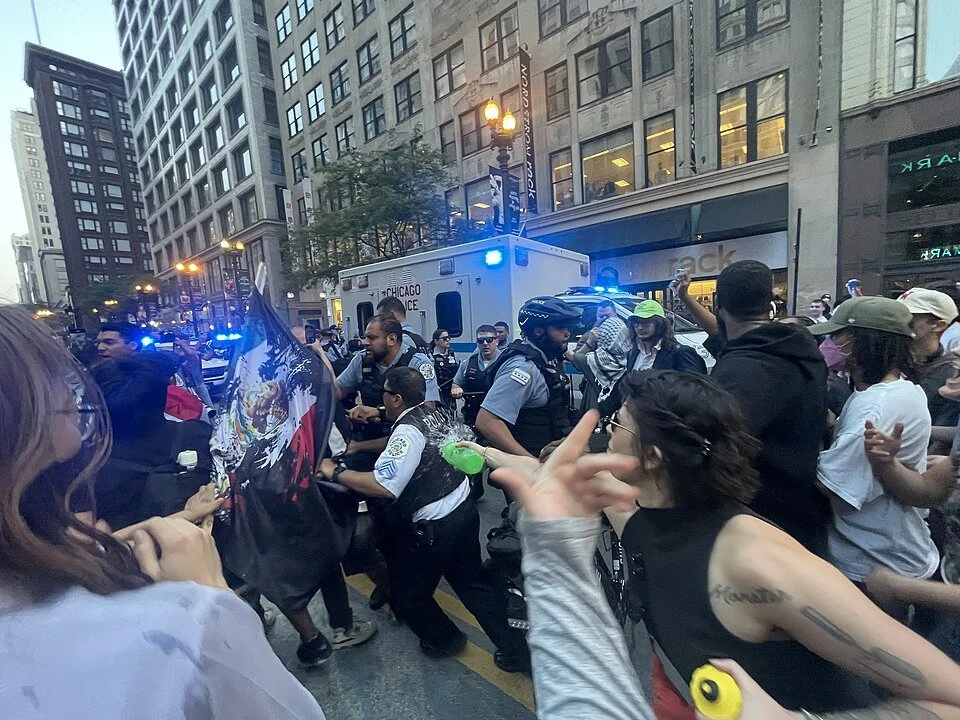
A little over a week ago, Chicago Mayor Brandon Johnson publicly called on the United Nations Human Rights Council to send independent experts to Chicago to investigate the ongoing abuses at the hands of federal immigration officials. Thirteen months ago, we would not have believed that our Mayor would be calling on the United Nations to investigate the federal government waging war on our home city. Given the bloody history of this country, it would not be correct to say this is shocking. More so, the swift descent to where we are now, barely ten months into this administration’s reign of power, is profoundly unsettling. Whatever rule of law the United States could ever claim to have—even if it only benefitted the privileged—is gone. Despite district courts’ restraining orders, federal agents continue to use chemical weapons, projectiles, and violence against their own people. Our own government appears to be wantonly trampling on our rights; and we are barely ten months in. 

Print Friendly and PDF

Funds from Forced Labor: What The Daily Missed about the Fanjuls’ Donation to the White House Ballroom

Funds from Forced Labor: What The Daily Missed about the Fanjuls’ Donation to the White House Ballroom

That the Fanjuls would donate to President Trump’s construction project did not come as a surprise to those of us at CAL who have been following the saga of sugar from the Dominican Republic that is tainted by labor abuses. The Fanjul family operates a vast sugar conglomerate comprising the likes of Domino Sugar, Florida Crystals, and Central Romana Corporation, a massive sugar producer in the Dominican Republic that exports to the United States and that workers and human rights advocates have denounced for decades for its use of forced labor. Central Romana has already benefited from the “first family of corporate welfare’s” close relationship to President Trump. 

Print Friendly and PDF

One Year After 30 Cocoa Farmers Filed a Grievance, COCOBOD is Still Failing Farmers

One Year After 30 Cocoa Farmers Filed a Grievance, COCOBOD is Still Failing Farmers

Following decades of failed regulatory action in Ghana that has allowed chocolate companies to continuously undercut cocoa farmers, in October 2024, a group of 30 farmers brought four demands before the Ghana Cocoa Board (COCOBOD). On October 31, 2024, Corporate Accountability Lab (CAL), the University of Ghana School of Law, and Civic Response (Ghana) submitted a grievance to COCOBOD’s grievance and redress mechanism on behalf of 30 cocoa farmers. Yet in the year since filing, COCOBOD has done little to respond to the documented violations – or to improve conditions for cocoa farmers or protect the environment in Ghana. 

Print Friendly and PDF

Spooky Sweets: The Frightening Reality of the 2025 Cocoa Market

Spooky Sweets: The Frightening Reality of the 2025 Cocoa Market

The cocoa industry is complex, and volatile market prices and companies’ responses can easily grab consumers’ attention this Halloween season. But we should not simply focus on big corporations and market forces and ignore the human reality behind the dollar sign. Climate change, deforestation, and disease are doing more than raising the cost of Halloween candy; they are threatening the livelihoods of the many farmers who helped make the season so sweet.

Print Friendly and PDF

A Tribute to Sister Jean, Basketball Icon & Labor Rights Advocate

A Tribute to Sister Jean, Basketball Icon & Labor Rights Advocate

With her recent passing at 106 years old, Jean Dolores Schmidt, a Sister of Charity of the Blessed Virgin Mary (BVM), left behind a spirited legacy reaching far beyond the basketball court. Leading with a steadfast commitment to people and the planet, Sister Jean’s community partnered with CAL to integrate a groundbreaking legal mechanism into the supply chain contracts for goods produced with her image and likeness, or bearing any Sr. Jean quotes like her classic “Work, worship and win.” CAL, which had recently been established as a legal design lab to imagine new ways to uphold human rights in global supply chains, was grappling with the fact that while supplier codes of conduct were proliferating across industries to address human rights risks, workers reported few actual changes on the ground. CAL saw this problem as an opportunity: those well-meaning codes could be made enforceable by workers and impacted communities, the people who have the most to gain from their enforcement, and the most to lose when their terms are ignored. We found a natural teammate to test this idea in Sister Jean.

Print Friendly and PDF

CAL’s Case Against Sambazon Moves Forward After Appeals Court Victory

CAL’s Case Against Sambazon Moves Forward After Appeals Court Victory

In March 2023, CAL sued açaí multinational Sambazon under Washington D.C.’s consumer protection statute for misleading consumers about its sourcing practices. Sustainability and ethical sourcing constitute cornerstones of Sambazon’s marketing, while açaí production continues to be a process rife with hazardous child labor. This summer we have successfully overcome efforts to dismiss the case on procedural grounds, and we are pushing forward to hold Sambazon accountable to the truth. This blog post first describes why this decision is a win for CAL and broader efforts to hold companies accountable for misleading consumers. It then presents insights from two investigations in Brazil which underscore that hazardous child labor persists as a feature of an industry. 

Print Friendly and PDF

Beef with the Brazilian Cattle Industry

Beef with the Brazilian Cattle Industry

Brazil is the world’s largest beef exporter and the third largest exporter of an increasingly profitable byproduct: beef tallow. Behind this multibillion dollar industry are supply chains riddled with forced labor. Major corporations, including JBS, Minerva, Marfrig, Diamond Green Diesel (DGD), FASA Group, and Aramco Americas profit from this forced labor. On July 24, 2025, Corporate Accountability Lab’s (CAL) published a report, Bullsh*t: Forced Labor in Brazil’s Beef and Tallow Supply Chains, which details these abuses and traces the supply chain from fifteen ranches into the United States. That same day, CAL submitted information to U.S. Customs and Border Protection (CBP) under Section 307 of the Tariff Act of 1930 (Section 307), requesting they block all imports of beef tallow – a beef byproduct – produced with forced labor.

Print Friendly and PDF

Alame & ors. v. Shell Plc: UK Court Rejects Shell’s Attempt to Escape Liability for Nigerian Oil Pollution

Alame & ors. v. Shell Plc: UK Court Rejects Shell’s Attempt to Escape Liability for Nigerian Oil Pollution

After nearly a decade of legal back-and-forth, a major decision from the UK High Court has moved the case against Shell plc (Shell) and its former Nigerian subsidiary one step closer to trial. On June 20, the Court ruled that the Bille and Ogale communities in Ogoniland in the Niger Delta can pursue claims for environmental harm dating back decades, rejecting Shell’s attempt to escape liability based on procedural technicalities. For the tens of thousands of residents living with the aftermath of oil spills, this ruling opens a path forward. And for others watching from across the globe, where multinational corporations have extracted resources and left destruction behind, it’s a moment worth paying attention to.

Print Friendly and PDF

Widespread Chattel Slavery in Mauritania: A Wake Up Call for Corporate Due Diligence 

Widespread Chattel Slavery in Mauritania: A Wake Up Call for Corporate Due Diligence 

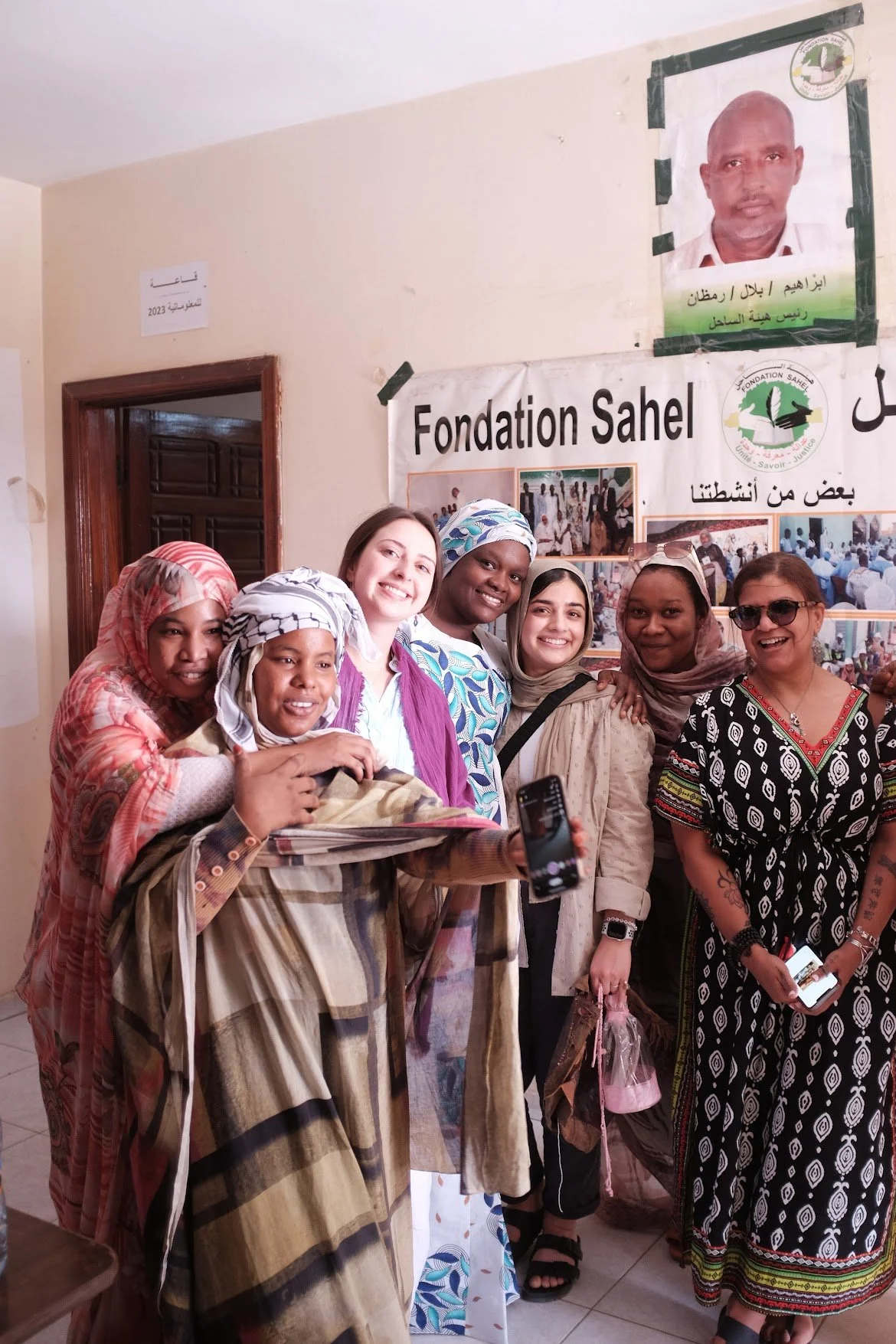
Although some think of chattel slavery as a practice of the past, it is a daily reality for far too many. In Mauritania, there are an estimated 149,000 individuals still enslaved, out of a population of under five million. In addition to raising alarming concerns for human rights accountability over private individuals perpetrating slavery in Mauritania, this reality brings to light important issues for companies who source agricultural goods from local farmers who have historically relied on slave labor. These companies’ responsibilities are heightened in a country with a deep-rooted legacy of slavery.

Print Friendly and PDF

Updates on Ratha v. Phatthana Seafood: The Seafood Case Shaping Accountability for Human Trafficking

Updates on Ratha v. Phatthana Seafood: The Seafood Case Shaping Accountability for Human Trafficking

This blog post provides an update on the Trafficking Victims Protection Act (TVPRA) case against five defendant seafood companies: Phatthana Seafood Co., Ltd.; S.S. Frozen Food Co., Ltd.; Doe Corporations; Rubicon Resources, LLC; and Wales & Co. Universe Ltd. It provides an overview of the harms workers faced, a history of the case, and an interpretation of the latest TVPRA amendment currently impacting this case. It concludes by discussing how the Ninth Circuit can rectify its mistakes and provide justice to the seven individuals whose lives were devastated by these corporations.

Print Friendly and PDF

Caught in a Sea of Trafficking: Akhmad, et al. v. Bumble Bee Foods

Caught in a Sea of Trafficking: Akhmad, et al. v. Bumble Bee Foods

On March 12, 2025, four Indonesian fishers filed suit in San Diego, California, against Bumble Bee Foods. They claimed they were victims of forced labor, human trafficking, and debt bondage in violation of the Trafficking Victims Protection Act (TVPRA). This case is the first human trafficking case brought against a U.S. seafood company for forced labor at sea.

Print Friendly and PDF

Nothing About Us Without Us: The Ogoni Demand Environmental Justice and Inclusion in Discussions around Oil Drilling Resumption

Nothing About Us Without Us: The Ogoni Demand Environmental Justice and Inclusion in Discussions around Oil Drilling Resumption

On January 21, 2025, President Bola Tinubu of Nigeria met with members of the Ogoni community of the Niger Delta to discuss the potential resumption of oil drilling within their lands. Oil extraction was halted over two decades ago, after the Ogoni people organized to end Shell’s destructive presence within their community. Ogoniland, which was once home to a rich tapestry of biodiversity, is now one of the most polluted regions on the planet.

Print Friendly and PDF

MSC: The Blue Tick Deceiving Consumers

MSC: The Blue Tick Deceiving Consumers

A recent report has found that MSC-certified fisheries work with fishing vessels where incidents of forced labor have been reported by fishermen. The Outlaw Ocean Project documented forced Uyghur labor in ten MSC-certified facilities in China. A 2023 report by a coalition of international environmental non-profit organizations has further critiqued the MSC for its lax environmental standards, lack of labor protections, and deception of consumers. In spite of all this evidence, the MSC continues to fail consumers by allowing them to believe that buying MSC-certified products is the sustainable option when, in reality, the fish coming from MSC-certified facilities were procured and processed in a manner comparable to those originating from non-certified facilities. Certification schemes like the MSC need either to effectively protect workers’ rights and the environment or remove themselves from occupying the space of a more effective alternative, such as a union or worker-driven model.

Print Friendly and PDF