


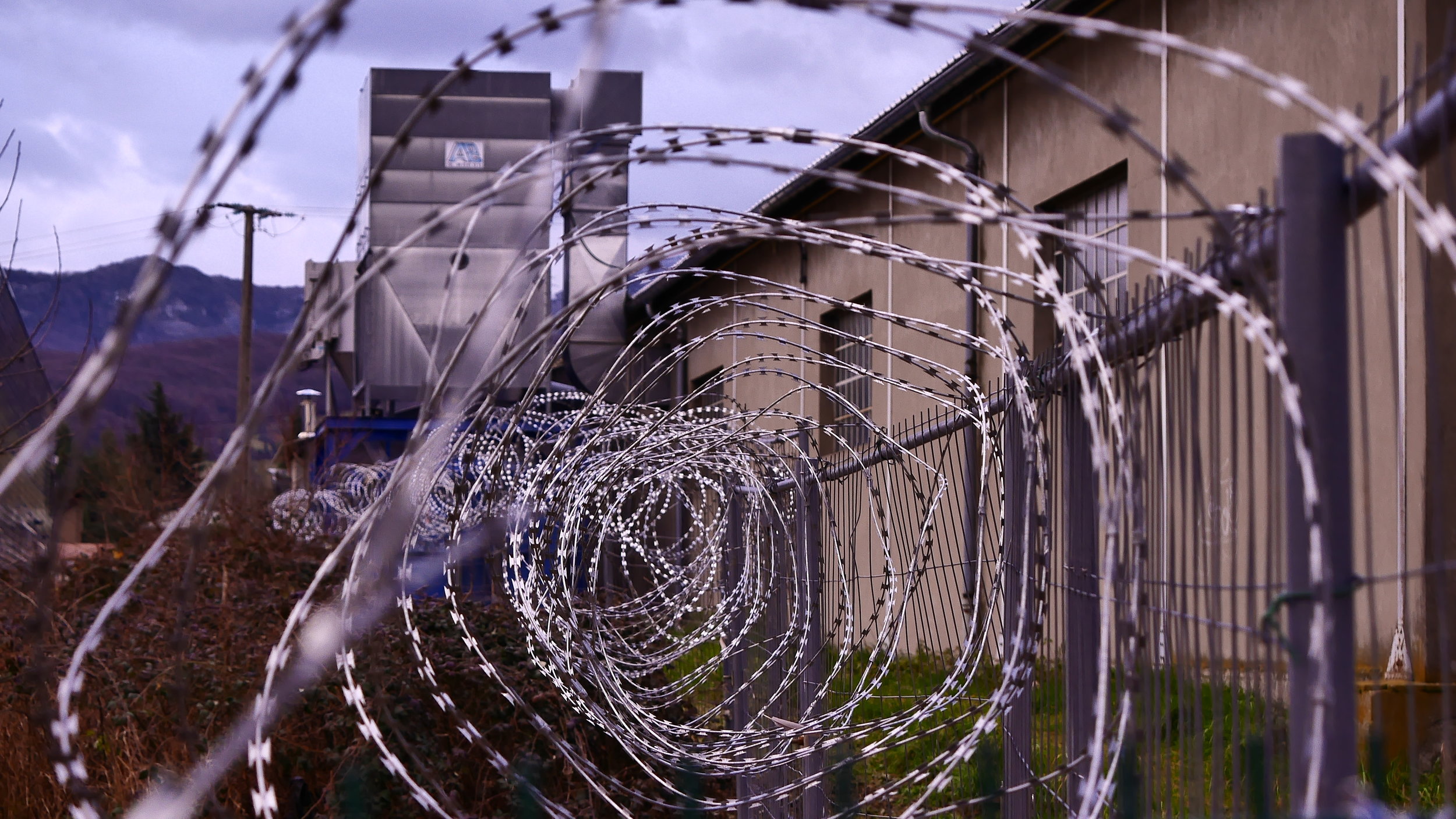
This post explores the lessons that we can learn from the COVID-19 pandemic about the prison labor system in the United States and includes personal accounts from Charity Ryerson, CAL’s Executive Director.
This year, states will begin implementing a global minimum tax rate of fifteen percent on multinational corporations with more than €750 million (about $810 million) in revenues. If these tax reforms succeed in increasing tax revenues across the approximately 140 implementing countries as they intend, these additional funds could be used to advance the social and economic rights of their citizens, especially for the most vulnerable populations, including those whose rights have been abused by corporations historically. However, the coming tax reforms are still so riddled with gray areas regarding form and function that it is too early to call the initiative a victory in corporate accountability.
Durante los 365 días desde que se bloqueó la entrada de su azúcar a los Estados Unidos por trabajo forzoso, el Central Romana ha optado por implementar sólo cambios superficiales para los cañeros y utilizar estrategias políticas en un aparente intento de hacer desaparecer la WRO.
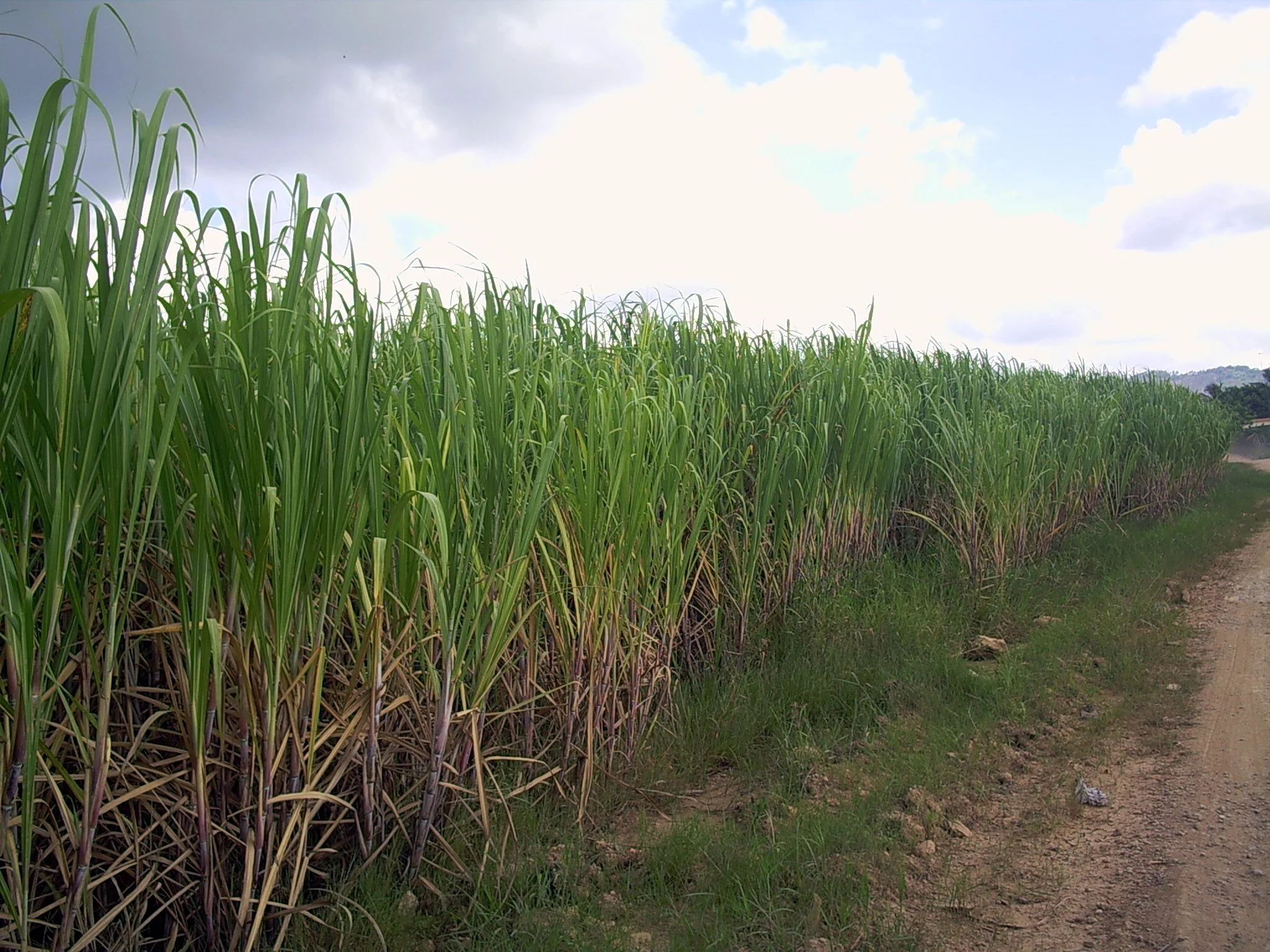
Over the 365 days since its sugar was blocked from entering the United States, Central Romana has chosen to implement only superficial changes for workers while pulling political strings in an apparent effort to make the import ban disappear.
Last month, The Guardian revealed that Canadian pipeline company Enbridge has paid Minnesota police more than two and a half million dollars for services including the surveillance and arrest of Water Protectors resisting the company’s construction of a new Line 3 pipeline. This post situates the Enbridge-police agreement in Minnesota and violent crackdown against Water Protectors at Line 3 within a disturbing global context rooted in colonialism.
In 2019, CAL partnered with EarthRights International to update their Guide to the Foreign Legal Assistance statute. Given that the US is an increasingly difficult jurisdiction for transnational human rights cases against companies, this tool provides an opportunity for workers and community members to access key evidence located in the US even where they may not have been able to bring suit there.
This post explores the lessons that we can learn from the COVID-19 pandemic about the prison labor system in the United States and includes personal accounts from Charity Ryerson, CAL’s Executive Director.

Legal Intern Amy Kato explores the parallels she’s discovered between the strategies she used as a student organizer in undergrad and CAL’s approach to fighting corporate impunity through legal design.
What would the world look like if big businesses actually implemented Black Lives Matter (BLM) values throughout their business models? The short answer: very different. This post gives examples of the hypocrisy between corporate PR and business impacts on people of color. It imagines steps companies could take towards creating a world where anti-racist statements align with operations.
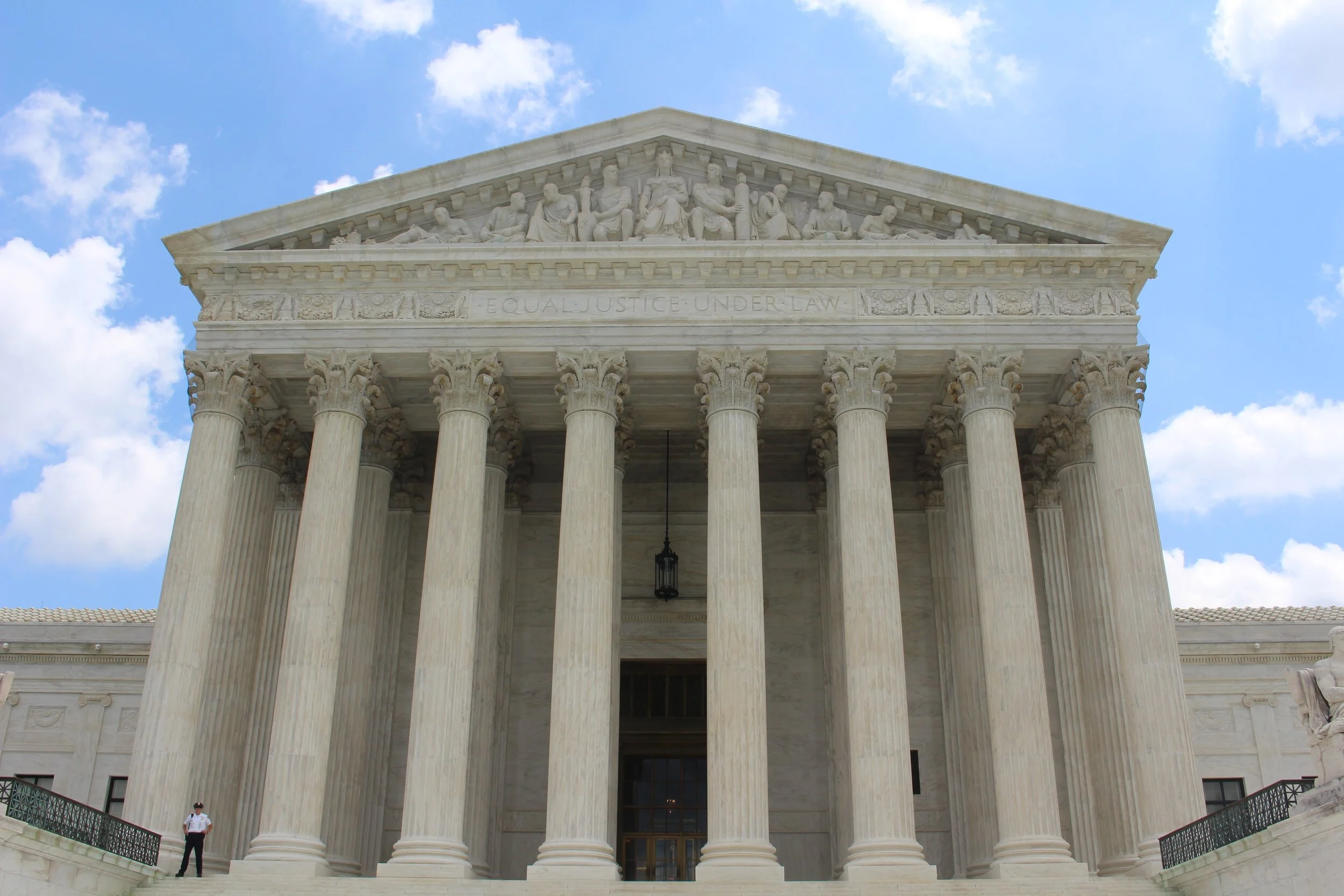
The US Supreme Court just granted Nestlé’s cert petition in a case based on forced child labor in Côte d’Ivoire. Implications for the plaintiffs--former child slaves-- and the future of the Alien Tort Statute (ATS) are significant.
This post explores the viability of using the FCA in conjunction with the TVPRA to hold perpetrators of forced labor and human trafficking accountable.
Imagine that a company had a contract to provide food to US military personnel based in a foreign country. The company employed workers from a third country. However, the company held onto the workers’ passports, did not allow them to leave the facilities, and did not pay them for the full hours that they worked.
Last Monday, the Supreme Court decided 6-3 that Title VII of the Civil Rights Act of 1964 prohibits employment discrimination based on sexual orientation and gender identity. Even though there are limitations in Bostock's application, we should still see it as a victory for equal rights. There are real exceptions to these federal protections (RFRA, small employers, etc.), and we need to continue to fight to close those loopholes so that no workers experience discrimination. But with such a conservative -- and often ideological -- Court, this is a big win that we should celebrate.
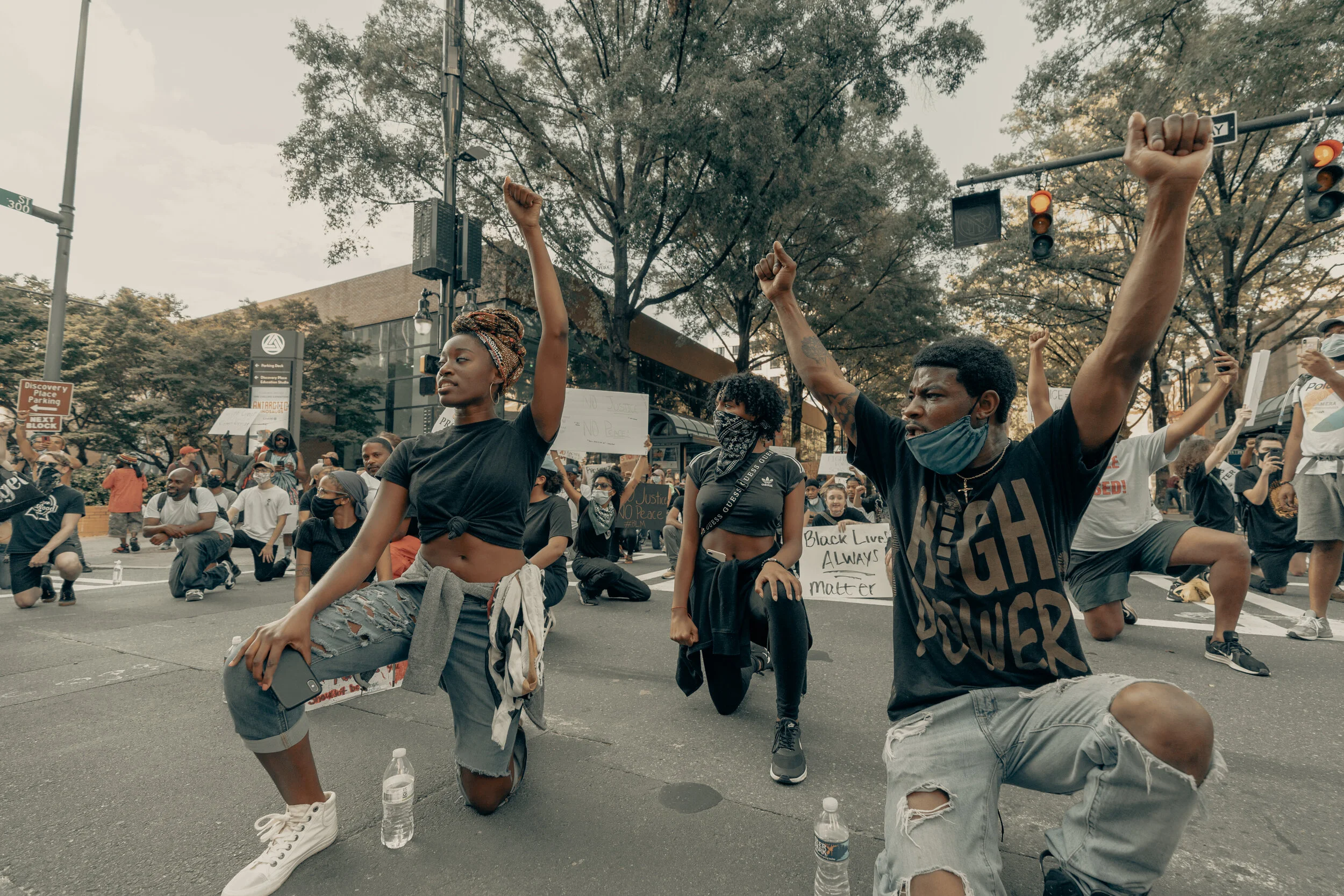
As feet march, glass shatters, sirens blare, and weapons fire across Chicago, the United States, and the world, Corporate Accountability Lab stands in solidarity with those demanding an end to white supremacy and racist police violence.
In 2019, CAL partnered with EarthRights International to update their Guide to the Foreign Legal Assistance statute. Given that the US is an increasingly difficult jurisdiction for transnational human rights cases against companies, this tool provides an opportunity for workers and community members to access key evidence located in the US even where they may not have been able to bring suit there.
CAL is excited to introduce our newest staff attorney, Tatiana Devia. In this introductory blog, Tatiana discusses CAL’s work related to Transitional Justice in Colombia, and how the Colombian armed conflict has played a role in her own story. You can reach Tatiana by email at tatiana.devia@corpaccountabilitylab.org.
On Friday, the Canadian Supreme Court announced its decision on jurisdiction in Nevsun Resources Ltd. v. Araya, in which a Canadian company is being sued for alleged violations of Customary International Law (CIL) in the East African country of Eritrea. Global human rights and international law advocates are applauding this major decision, finding that CIL is part of Canadian law, even where the legislature has taken no action to codify it domestically.
The Ivorian cocoa industry, which produces over 30% of the world’s cocoa, is notoriously rife with child labor. For years companies such as Nestlé, Mars, Hershey, and Cargill have promised to make real changes and eliminate child labor in their supply chains. And yet, despite these promises, little has changed.
On Monday, January 27, 2020, twenty-four men, women, and children sued the Central Romana Corporation and its parent company, the Fanjul Corporation, in U.S. district court for the companies’ forcible eviction of their homes in the Dominican Republic in January 2016.
It’s Nearly Impossible To Buy Chocolate You Can Feel Good About
A lot of you have been asking for our recommendations on what chocolate to buy this Halloween, given the fact that forced labor and environmental abuse are so rampant in the cocoa sector. We wish we had better news.
The sad and hard truth is that there is very little chocolate that is truly sourced ethically (and don’t get me started on the labor and environmental issues related to sugar and palm oil production, both key ingredients in Halloween candy).
This Indigenous Peoples’ Day, we are reflecting on the steadfast nonviolent struggle of the indigenous Ogoni people in Nigeria and the human rights and environmental abuse they have suffered at the hands of the Nigerian government and Shell (Royal Dutch Shell’s subsidiary Shell Petroleum Development Company of Nigeria (SPDC)).
No, Mars doesn’t have to tell you their chocolate was made using slave labor. But, can consumer protection laws be used to stop corporations from committing human rights abuses? Despite setbacks, over the past twenty years creative human and civil rights attorneys have had some success using consumer protection laws to compel corporate transparency related to supply chain labor exploitation.
The largest garment industrial accident in Savar, Dhaka killed 1,134 garment labourers and injured approximately 2,500 garment labour. After the collapse in 2013, international pressure grew and two large groups of Brands/retailers formed unique transnational initiatives in order to address the safety problems of Bangladeshi garment labourers.
Part I of this blog analyzed the extraterritorial application of the “Hot Goods” provision of the FLSA). This post discusses whether the remaining provisions of the FLSA can be applied overseas. The short and sweet answer is rarely. The extraterritorial application of the FLSA is technically not prohibited, but its usability depends on very narrow facts. To better understand the FLSA’s extraterritorial application, we need to dig into its history.
This blog post is Part I of a two-part series exploring the viability of using the FLSA’s “Hot Goods” provision as a tool to increase accountability for egregious labor violations in supply chains. Here at CAL, we focus on international supply chains primarily, but we start this post with an overview of how the “Hot Goods” provision has been applied within the US. Next, we look at the possibility of extraterritorial application to hold actors in international supply chains accountable.
Just under a month ago, my friend Ola Bini was arrested at the airport Quito, Ecuador. Ola, a man whose name inconveniently sounds like “hello” in his adopted home, is a data privacy advocate and widely-recognized tech savant. Sometimes he paints his nails black and he likes that really terrible, dry science fiction--the kind where it’s all science and no character development. But I can forgive him that because he’s a sweet person, generous with his time and expertise, and a zealous but ethical advocate for the human right to privacy.
When I describe CAL’s work to other millennial lawyers, they often tell me “I’m just not that creative.” But these self-identified uncreatives spend their days solving complex problems in sophisticated, nuanced ways. Is this intelligence, but not creativity? What is creativity anyway, and are we born with it, or not?