
Gender Justice
Women and girls are disproportionately vulnerable to forced labor, with an estimated 11.4 million women and girls trapped in various forms of forced labor globally. They account for approximately 39.4% of all people in forced labor and the vast majority (nearly 80%) of victims in forced commercial sexual exploitation. These figures include some of the most vulnerable women and girls who are immigrants, living in poverty or in rural areas, and who have limited access to education. Traffickers prey on these vulnerable individuals and use emotional and psychological abuse, threats, false promises of a better life, and debt bondage, to coerce women and girls into forced labor, child labor, and sexual exploitation.
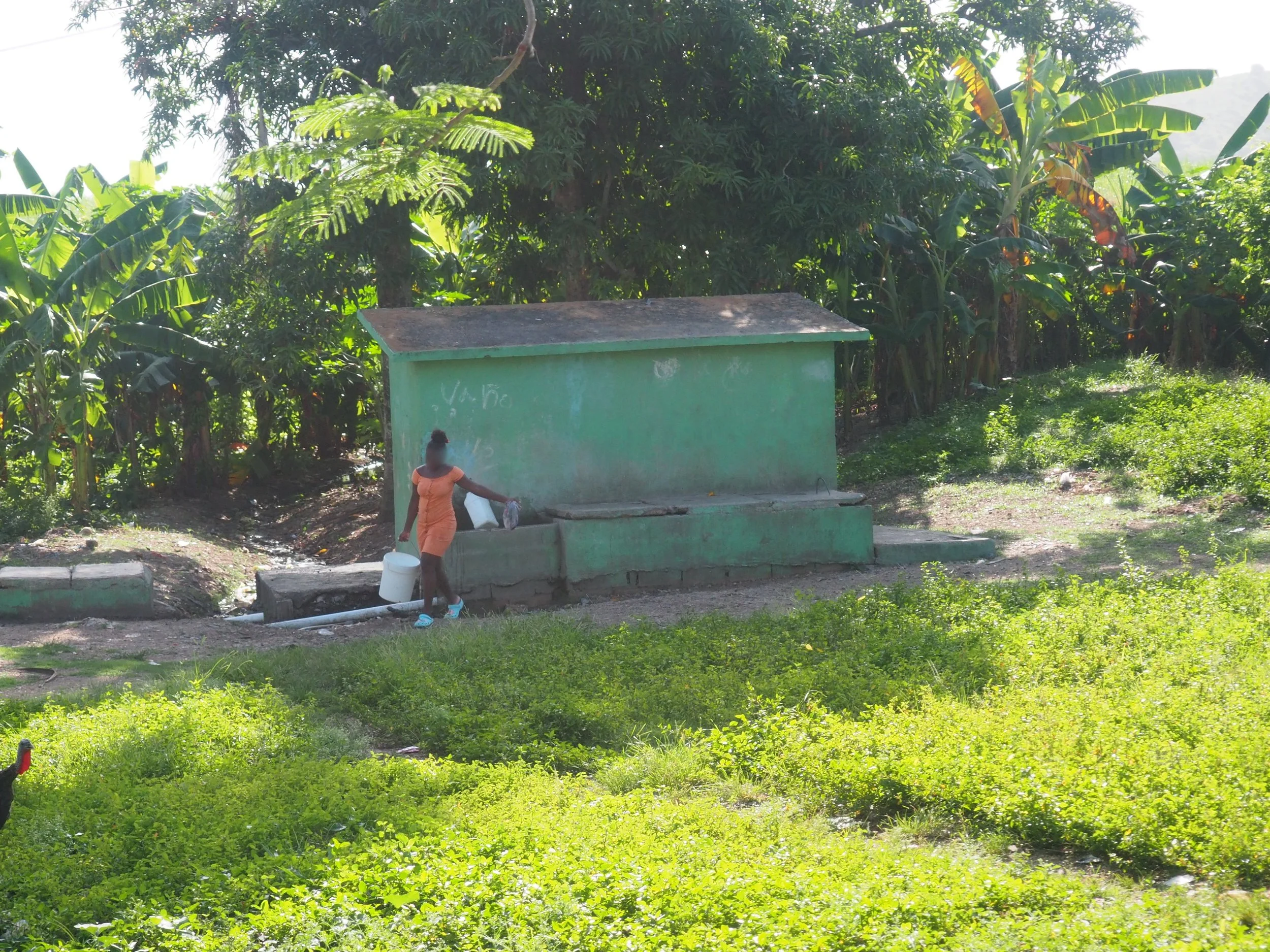
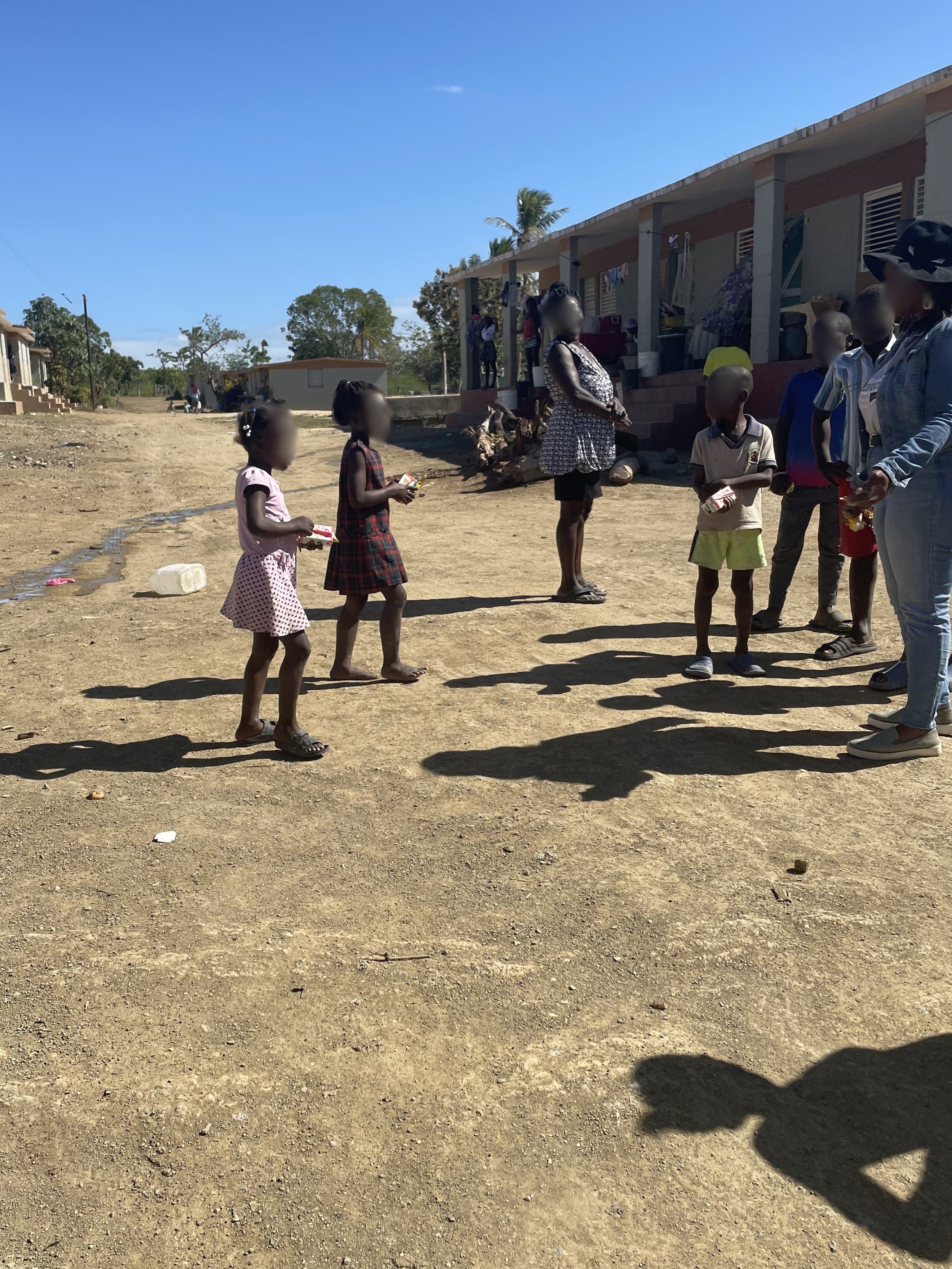
To combat gender-based harms, CAL documents labor abuses and sexual exploitation experienced by women and girls in global supply chains by engaging in trauma-informed interviews with communities with whom CAL has long-standing relationships. With the consent of these women and survivors, CAL engages in advocacy, media campaigns, and lawsuits that provide platforms for their stories and accountability for the perpetrators. From working with women in the sugarcane bateyes in the Dominican Republic to promoting the rights of women peeling frozen shrimp by hand in India, CAL is a staunch fighter for gender justice around the globe.
Every individual, regardless of gender identity or sexual orientation, deserves to live and work with dignity, free from discrimination, violence, and inequity. CAL seeks to promote these rights for women and girls globally by harnessing the creative power of the law.

CURRENT PROJECT SAMPLE
-
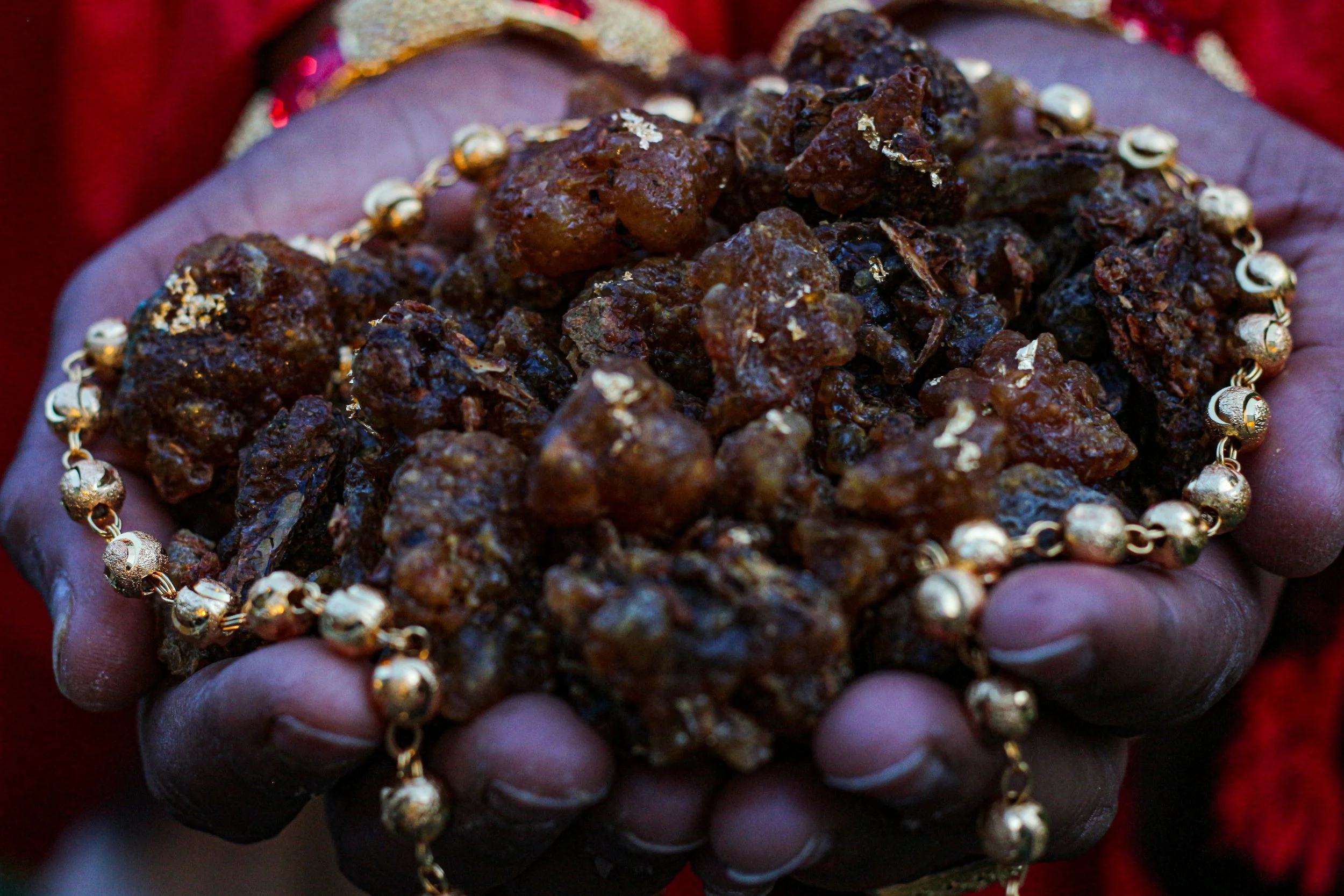
In 2021, CAL joined the Horn of Africa Charity Organisation (HOACO) in their inquiry into wage theft in the frankincense industry in Somaliland and harm to rare frankincense forests. The trail led to U.S.-based essential oil company doTERRA and allegations indicative of a far-reaching and diverse criminal enterprise, including theft, egregious labor violations, bribery, sex trafficking, and rape or assault of hundreds of women and girls. In 2024, U.S. Customs and Border Protection issued a Withhold Release Order against doTERRA’s supplier in Somaliland, Asli Maydi, following CAL’s submission of allegations to the agency. CAL is actively engaged in several pathways to justice for the impacted communities and survivors.
GENDER JUSTICE Blog Posts



Although some think of chattel slavery as a practice of the past, it is a daily reality for far too many. In Mauritania, there are an estimated 149,000 individuals still enslaved, out of a population of under five million. In addition to raising alarming concerns for human rights accountability over private individuals perpetrating slavery in Mauritania, this reality brings to light important issues for companies who source agricultural goods from local farmers who have historically relied on slave labor. These companies’ responsibilities are heightened in a country with a deep-rooted legacy of slavery.