
Workers’ Rights
Across the globe, an estimated 25 million people are trapped in forced labor, toiling in industries from cocoa to seafood to beef production. Under international law, forced labor occurs when work is performed “under the menace of penalty” and without consent. In reality, it often means workers are coerced through threats, withheld wages or documents, debt bondage, and other forms of exploitation to endure long hours in unsafe, degrading conditions for little or no pay. At the same time, 79 million children are engaged in hazardous labor: wielding machetes, hauling heavy loads, exposed to toxic pesticides, scaling trees without safety equipment, using heavy machinery and performing other dangerous tasks that strip them of their health, education, and childhood.
These abuses are not isolated accidents or lapses in oversight. Exploitative labor practices are embedded in the structure of the global economy—a system from which corporations in the Global North continue to profit. Multinational companies drive costs down by paying suppliers unsustainably low prices, forcing factories, farms, and fisheries to cut corners wherever possible—even when it means relying on illegal and abusive forms of labor.
In response, CAL is developing new legal and policy tools to combat forced labor in global supply chains. Since its founding, CAL has pioneered new uses of the U.S. Tariff Act of 1930 to block imports made with forced labor, filed groundbreaking lawsuits, and submitted amicus briefs to the Supreme Court on cases involving forced labor and hazardous child labor. CAL partners with law school clinics, international civil society organizations, and directly engages with affected communities through investigations, convenings, and long-term relationship building..
Each of these efforts serves a single, urgent purpose: to hold corporations accountable and end the exploitation of workers driven by cost-cutting, downward pricing pressure, and corporate impunity—restoring dignity, fairness, and justice to the global economy.

CURRENT PROJECT SAMPLES
-
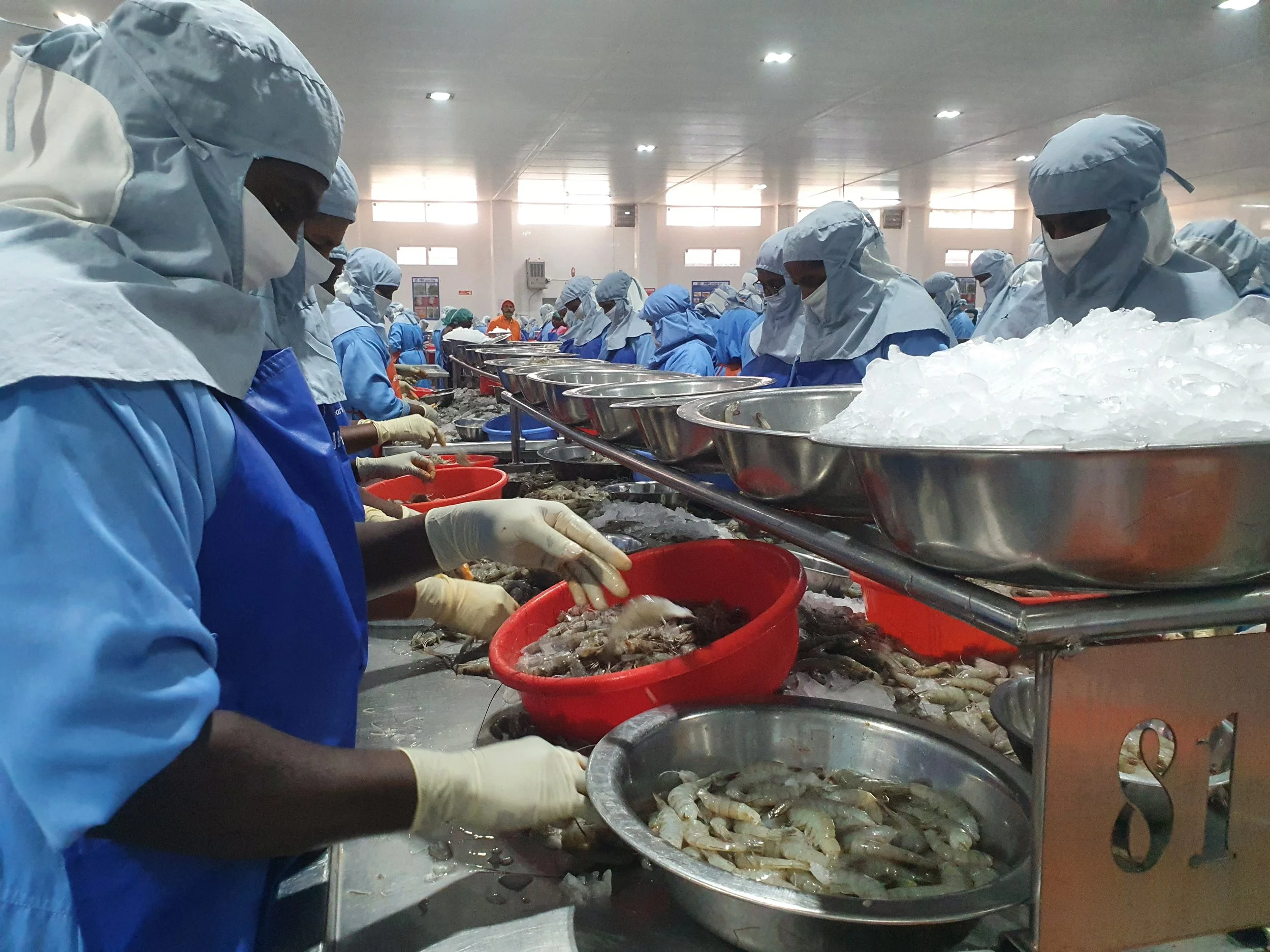
In March 2024, CAL published the findings of a multiyear investigation into India’s shrimp supply chain, which provides almost 40% of shrimp consumed in the United States. Beginning in 2013, India emerged as the United States’ leading source of shrimp, the most consumed seafood in the country. However, this success is marred by a production process that relies on forced labor, dangerous and abusive working conditions, and environmental destruction to meet demands for ever-lower prices. CAL’s investigations into these abuses are ongoing, and we continue to strategize on pathways to justice for those harmed by these industry practices.
-
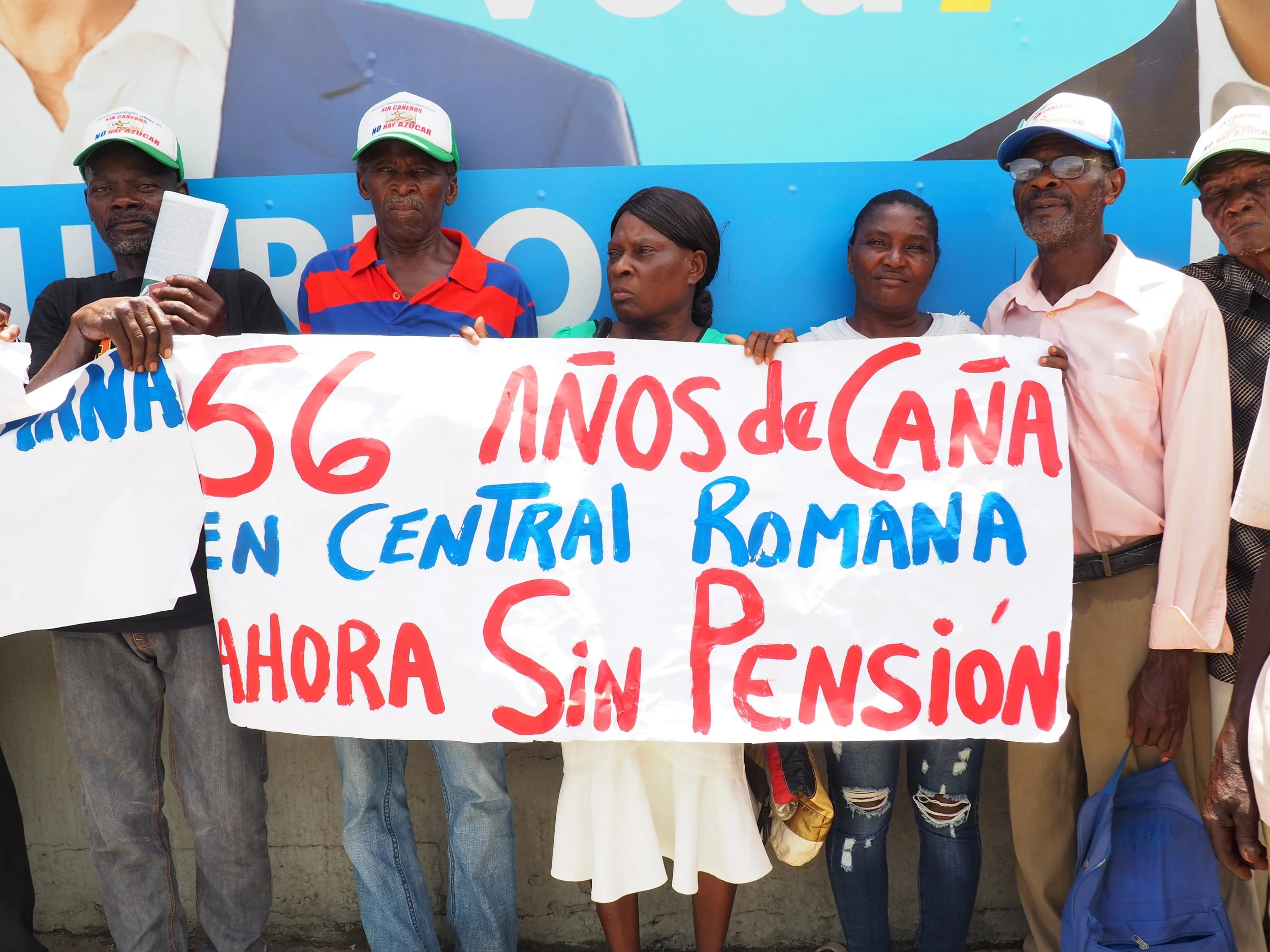
For decades, sugarcane cutters in the Dominican Republic have labored under dangerous conditions, with workers reporting ten to twelve hour days in the hot sun, cutting sugarcane with machetes, and earning poverty wages. The majority of sugarcane workers are Haitian or of Haitian descent, many stateless and without documents due to discriminatory citizenship laws in the Dominican Republic. This makes them incredibly vulnerable to predatory companies, who can effectively create a captive workforce through the threat of deportation despite many canecutters being born in the Dominican Republic and living there their entire lives. CAL has been investigating working conditions at the largest of the three main sugar producers, Central Romana, since 2021, and at the Consorcio Azucarero Central since 2024, and continues to fight for justice and dignity for cañeros today.
-
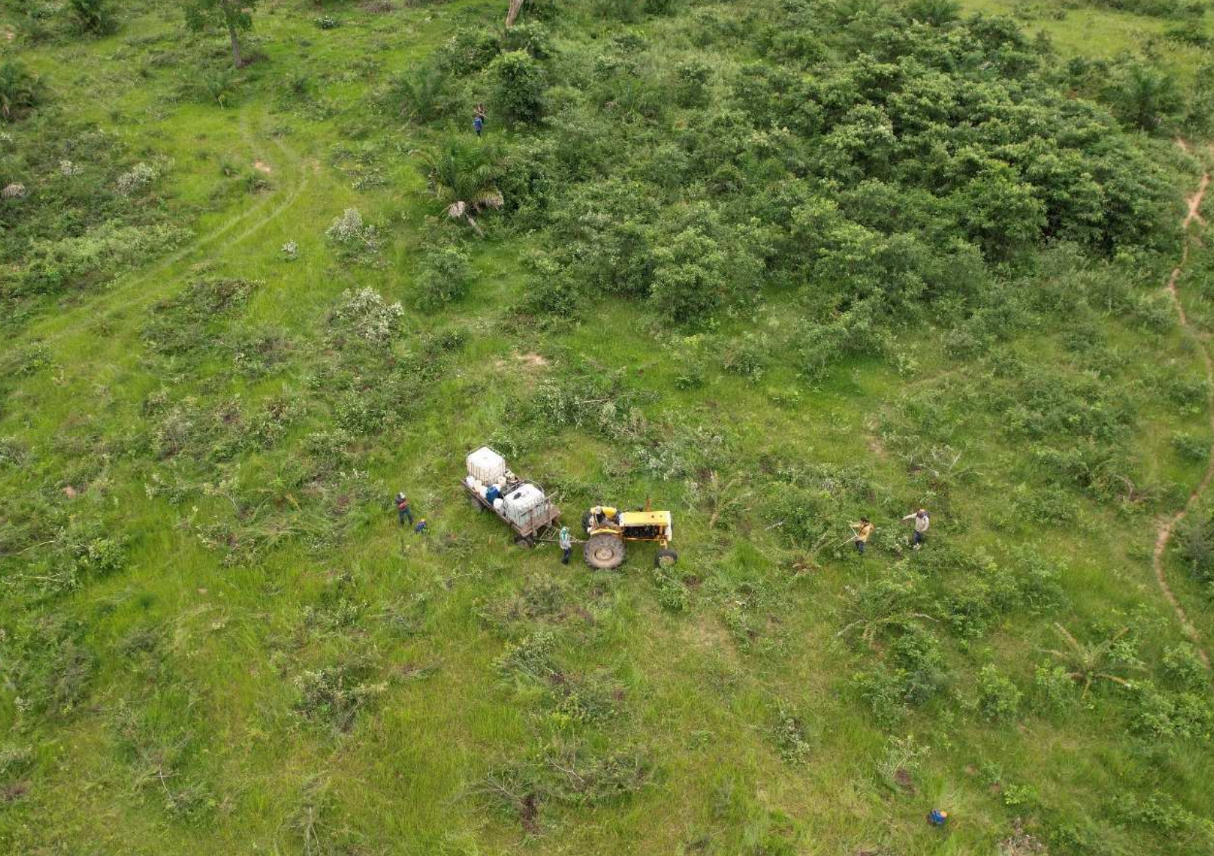
Forced labor is a widespread and ongoing crisis in the Brazilian cattle industry. Vulnerable workers endure harsh, dangerous conditions on isolated ranches where they face long hours, little to no pay, inadequate shelter, and severe restrictions on their freedom. These ranches supply beef and beef byproducts to major meatpacking companies such as JBS, Minerva, and Marfrig, who dominate both the Brazilian and global beef markets. Tainted Brazilian beef products have contaminated U.S. supply chains, undercutting the market for ethically-produced beef. CAL investigates these human rights and labor abuses in the Brazilian beef sector and advocates for legal enforcement and corporate accountability for infringing companies.
-
An estimated 1.5 million children work in the cocoa industry in Cote d’Ivoire and Ghana, which produce about two-thirds of the world’s cocoa. About 1.4 million of these children are engaged in hazardous child labor, which includes using a machete, carrying heavy loads—often of cocoa beans—and spraying pesticides. Still, despite the massive profits that global chocolate companies earn, poverty is pervasive. Cocoa farming communities in Côte d’Ivoire and Ghana face threats from all directions: companies pay exceedingly low prices for cocoa and navigate around price regulations; diseases decimate cocoa trees, making it even harder to live off cocoa farming alone; illegal gold mining continues to take over and seep toxic chemicals into the land that cocoa farmers depend on; and climate change is making it increasingly difficult for cocoa farmers to earn a living. CAL has been investigating hazardous child labor and forced labor in the West African cocoa sector since 2019, conducting interviews in the field, compiling supply chain data, publishing investigative reports, and engaging in litigation with Big Chocolate.
RECENT WORKERS’ RIGHTS BLOG POSTS

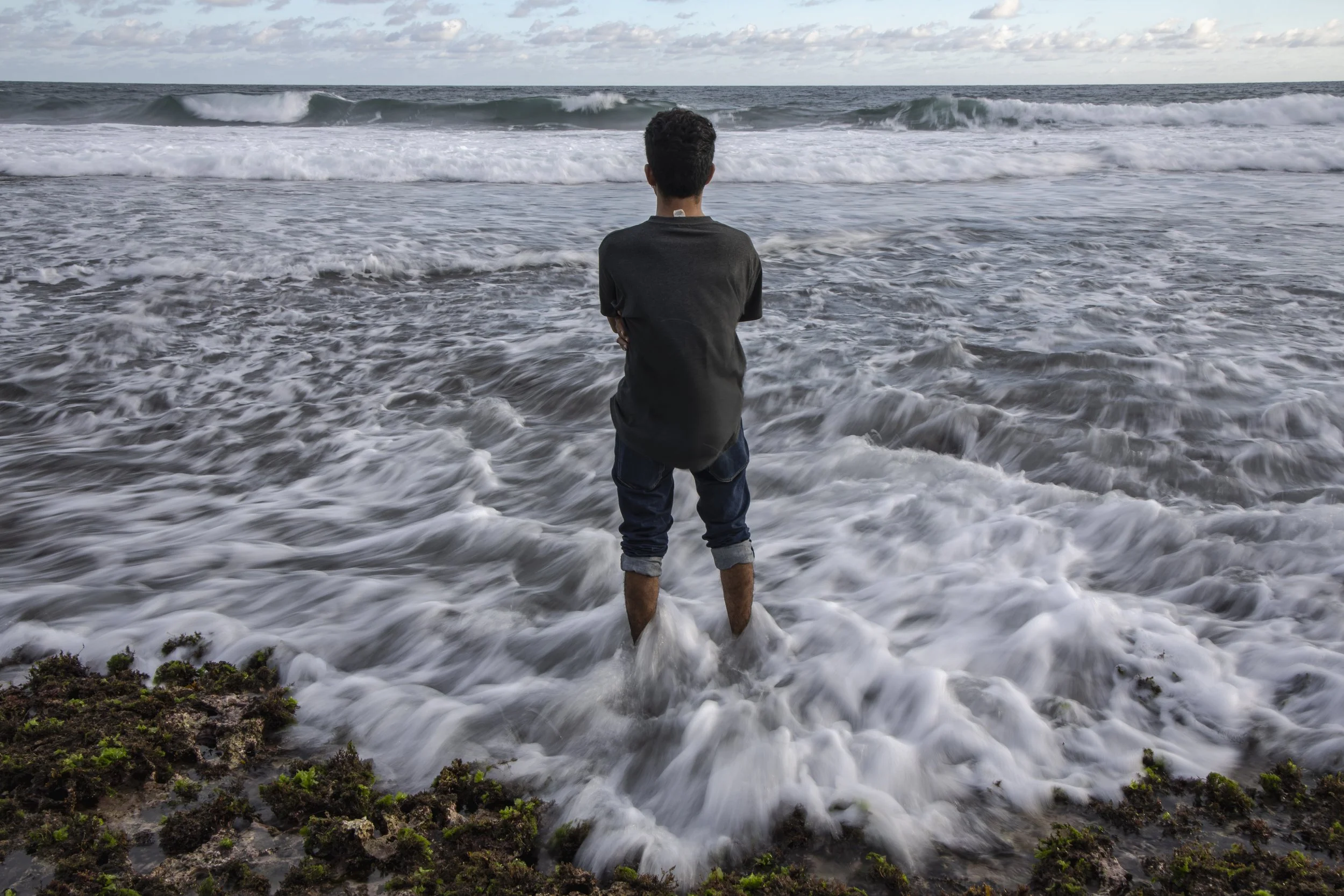



Although some think of chattel slavery as a practice of the past, it is a daily reality for far too many. In Mauritania, there are an estimated 149,000 individuals still enslaved, out of a population of under five million. In addition to raising alarming concerns for human rights accountability over private individuals perpetrating slavery in Mauritania, this reality brings to light important issues for companies who source agricultural goods from local farmers who have historically relied on slave labor. These companies’ responsibilities are heightened in a country with a deep-rooted legacy of slavery.