Archived projects
Some of CAL’s previous work goes beyond our current three categories of focus, as illustrated below.
-
Transitional justice refers to an interdisciplinary set of tools and practices used to address large-scale atrocities that occurred during periods of civil conflict and repression. It includes judicial and non-judicial mechanisms for justice, social reckoning, and preventing repetition. Historically, transitional justice processes have failed to address the role that economic actors, including multinational corporations, play in atrocities committed during conflicts. This impunity leaves impacted communities without redress, maintains abusive power structures, and undermines sustainable peace. CAL tackled this issue by facilitating civil litigation skillshares, hosted the legal design-centric Corporate Liability and Sustainable Peace (CLASP) Lab with our partners at Dejusticia, la Comisión Intereclesial de Justicia y Paz, and the African Coalition for Corporate Accountability, provided technical support to Colombia’s transitional justice mechanisms, and organized a variety of submissions to regional and international organizations in collaboration with colleagues in post-conflict settings.
-
Intellectual property (IP) law governs the rights creators have over their creations, protecting a creator’s physical property and the ideas that brought the creation to life. Unfortunately, IP is not always used as its creators intend, especially in the tech industry, where creators’ work can be used by companies (and government partners) in ways that harm people and the planet. In the past, this has been accepted as part of the traditional approach to open source projects. The Ethical Source Movement promotes a pro-social and ethical alternative, focusing on justice and equity as essential components of thriving open source communities and projects. Together, CAL and our partners at the Organization for Ethical Source developed a number of licenses and IP assignment clauses allowing tech workers to embed human rights and environmental conditions into their licenses. The licenses give tech workers several options, ranging from a license with the broad inclusion of human rights law, to an “expanded duty of care” license model, to assignment clauses with specific restrictions around issues of interest to tech workers (prohibiting use of the IP in ICE or Pentagon contracts, for example). Today, OES continues to use these licenses and use open source technology to promote positive social, cultural, and political change.
-
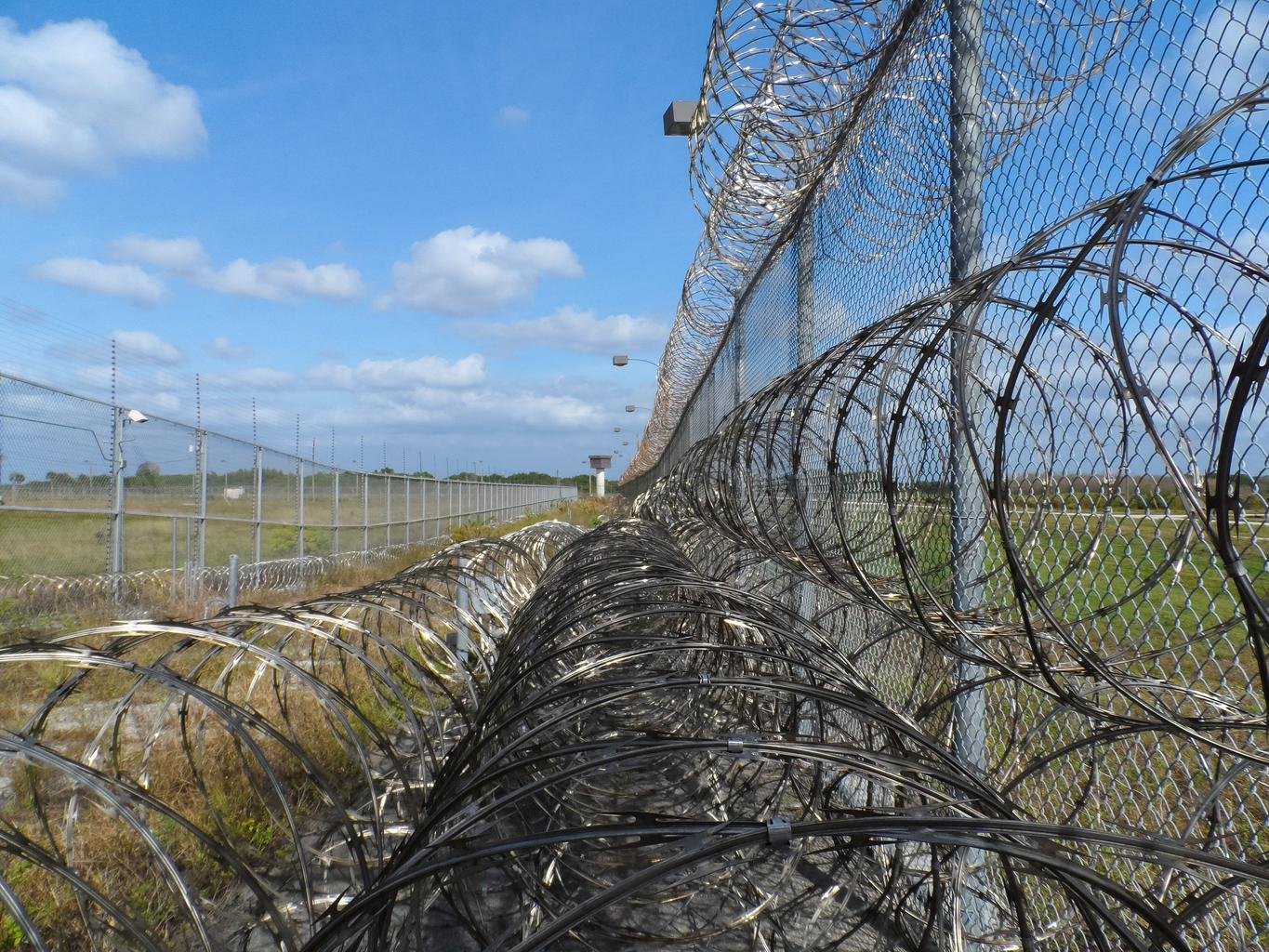
State-imposed forced labor in the United States continues to exist — and is legal under state and federal law — due to a simple clause in the 13th Amendment to the U.S. Constitution, a mere fourteen words that provide the basis for a system that incentivizes mass incarceration, racial injustices, and corporate exploitation. Incarcerated workers produce goods for state and local governments, but also for sale on the private market. CAL’s investigation into how private stakeholders profit from U.S. prison industries identified the presence of multiple ILO indicators of forced labor, including abuse of vulnerability, restriction of movement, and isolation, and led to actionable recommendations for federal and state policymakers, companies, and lawyers and advocates.
You can read our two reports, Convicted (2022) and Breaking Free (2024) on our website.
-
Supply chain contracts offer an opportunity to create legally-binding protections for workers, even in the absence of an act of Congress. CAL developed a worker-enforceable contracting model that companies can include in supply chain contracts to give those affected access to remedy. By adopting these clauses, companies can make their codes of conduct worker-enforceable. This idea was born from CAL’s observation of three parallel phenomena: (1) systemic abuse of workers rights, human rights, and the environment across global supply chains; (2) a lack of access to justice for impacted workers; and (3) the proliferation of supplier and buyer codes of conduct that prohibit contracting parties from engaging in practices that abuse workers, communities, and the environment. CAL explored several related questions: What if other stakeholders (those whom the human rights and environmental promises are meant to benefit) could enforce codes of conduct? What if buyers and suppliers named workers as third-party beneficiaries to their contracts or purchase orders containing supplier and/or buyer codes of conduct so that those stakeholders had legal rights to enforce the codes? Human rights and environmental protection in international supply chains might begin to look drastically different. Click here to read a whitepaper on third-party beneficiary contract provisions, or here to read an article discussing our first pilot in the Global Labour Law Reporter.
ARchived Projects blog posts
