

In November 2022, U.S. Customs and Border Protection (CBP) issued a Withhold Release Order (WRO) prohibiting the importation of sugar produced by Dominican company Central Romana Corporation, Ltd., based on a “reasonable indication” of forced labor. Central Romana, owned by the Florida-based Fanjul family, is the largest private landowner and employer in the Dominican Republic. After eighteen months of Central Romana’s lobbying failed to move the Biden administration to lift the ban, in May 2024, José Francisco “Pepe” Fanjul hosted a fundraiser reportedly grossing around $50 million USD for the Trump campaign. In 2024 and 2025, Florida Crystals, owned by the Fanjul Corporation, donated $3,000,000 to the Make America Great Again PAC. CBP modified the import ban shortly after Trump took office, in the same month that President Trump publicly referred to Pepe Fanjul as “a great friend.” Pepe and Emilia Fanjul were later disclosed as donors to Trump’s White House ballroom project.
CBP normally requires that companies demonstrate material improvements to their labor conditions before lifting a WRO. In this case, workers interviewed by CAL reported that conditions at Central Romana’s sugarcane fields had not meaningfully changed since CBP issued the WRO in 2022. CAL’s report, based largely on field interviews conducted by CAL staff, details the harrowing conditions described by Central Romana sugarcane workers, including paltry wages, denial of benefits to elderly workers, unhygienic and dilapidated living conditions, forced evictions and a culture of fear cultivated by Central Romana guards, union representatives, and supervisors. Central Romana denies that the modification of the ban was improper. CBP did not respond to a request for comment.
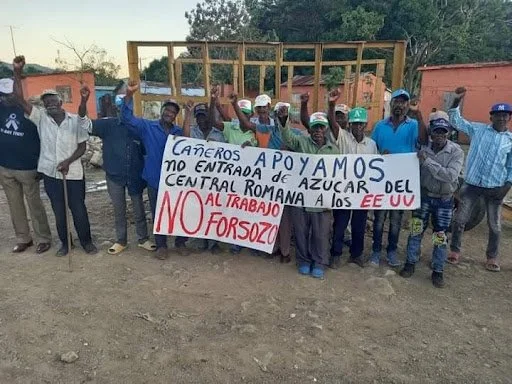
Elderly Central Romana canecutters show their support for the WRO in the summer of 2024. Their sign reads:“We cañeros support the non-entrance of Central Romana sugar into the U.S. No to forced labor.” (Translation by CAL)
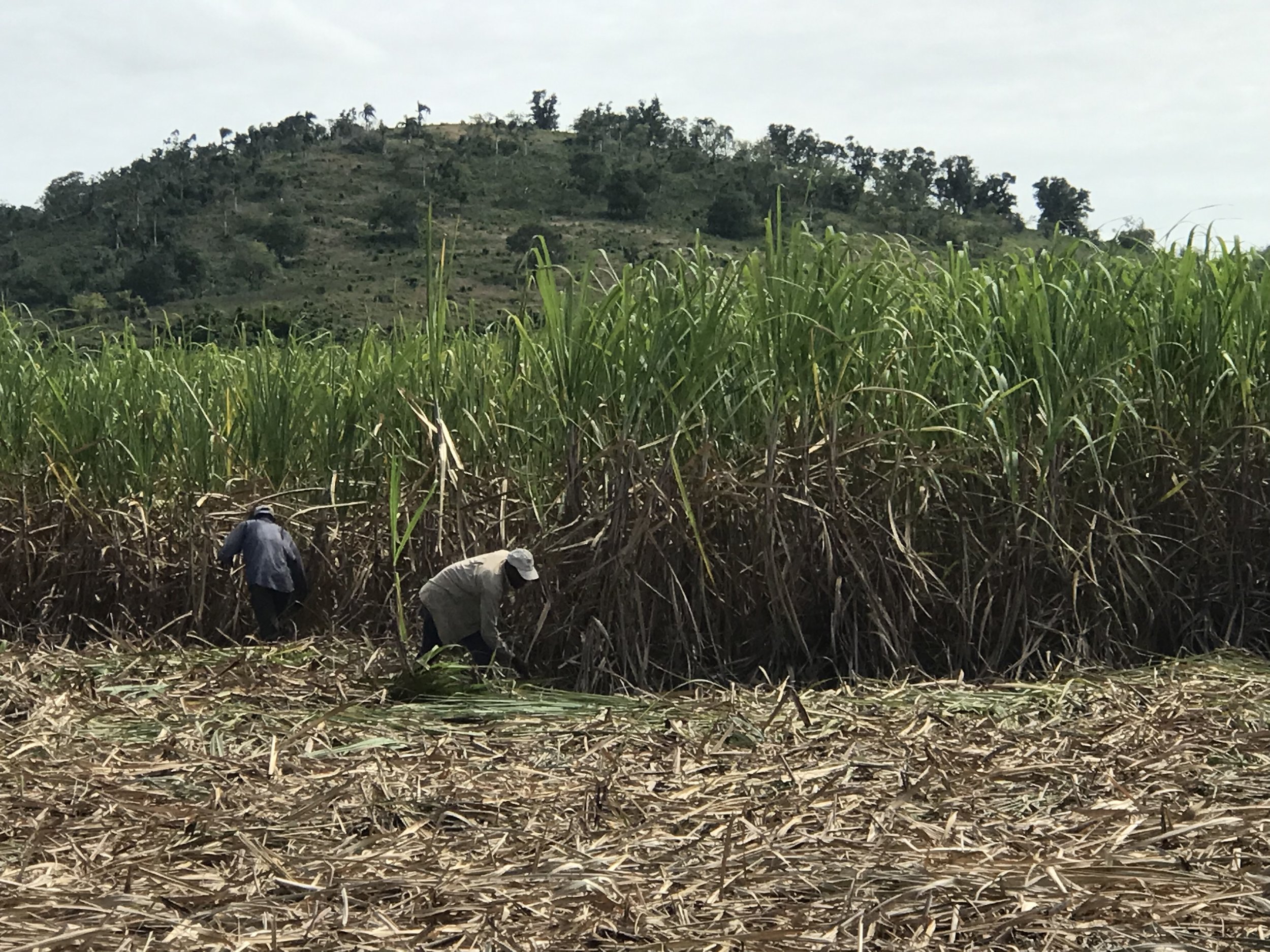
Cañeros at work in a Central Romana canefield, January 2023.
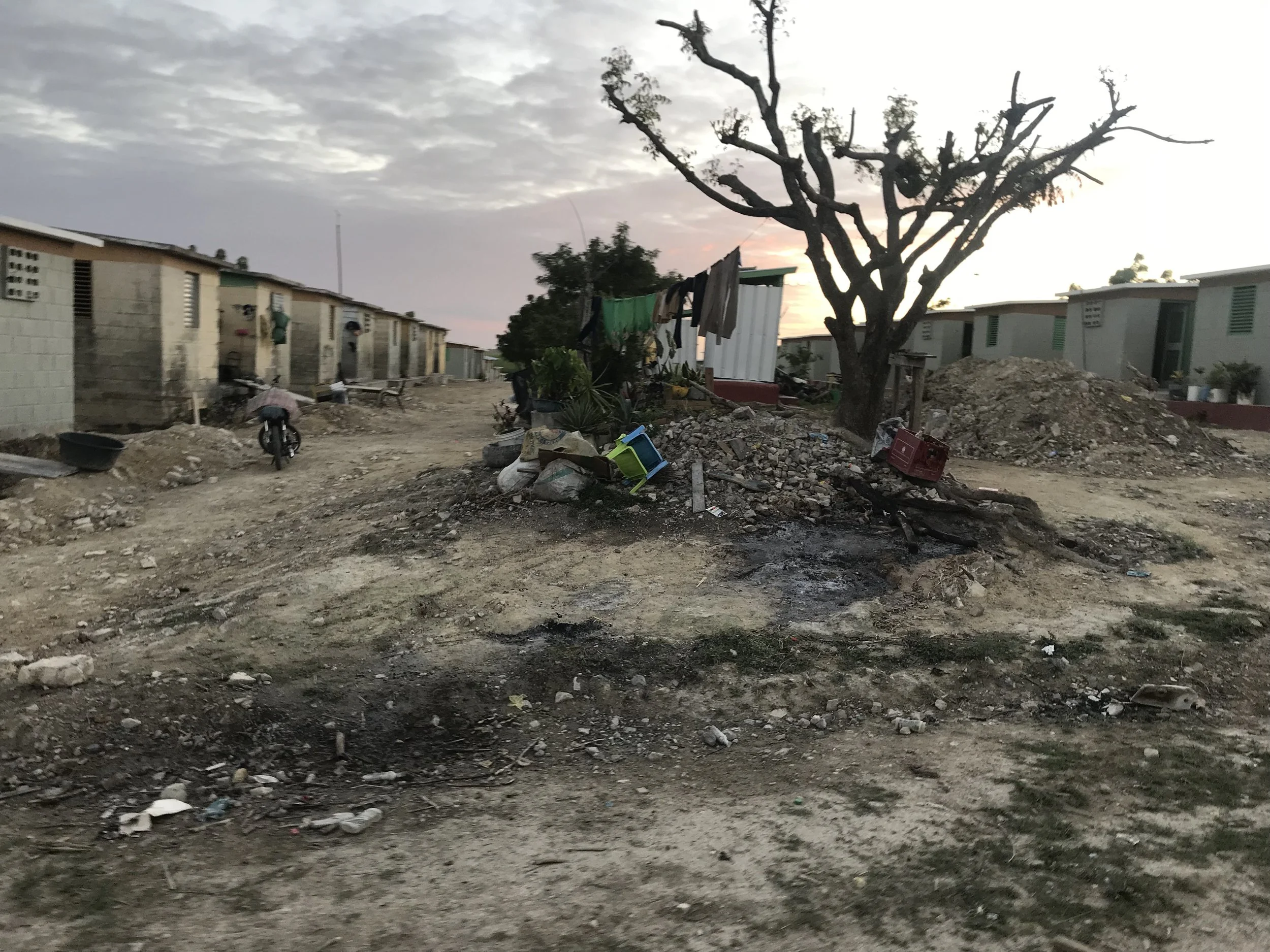
Barracks and other homes in Central Romana bateyes, 2023.
Haitian migrants and Dominicans of Haitian descent constitute the majority of sugarcane cutters in the Dominican Republic but they receive scant reward for the backbreaking work they perform. Advocacy groups report that they face structural discrimination and a culture of anti-Haitianism that leaves them vulnerable to abuse, including forced labor. Although many of these workers were born in the Dominican Republic, they are generally treated as Haitian under Dominican law, despite having no Haitian documentation. They report facing abusive company guards, an overzealous immigration enforcement policy, and company-dominated unions that prevent them from organizing to advocate for their rights.
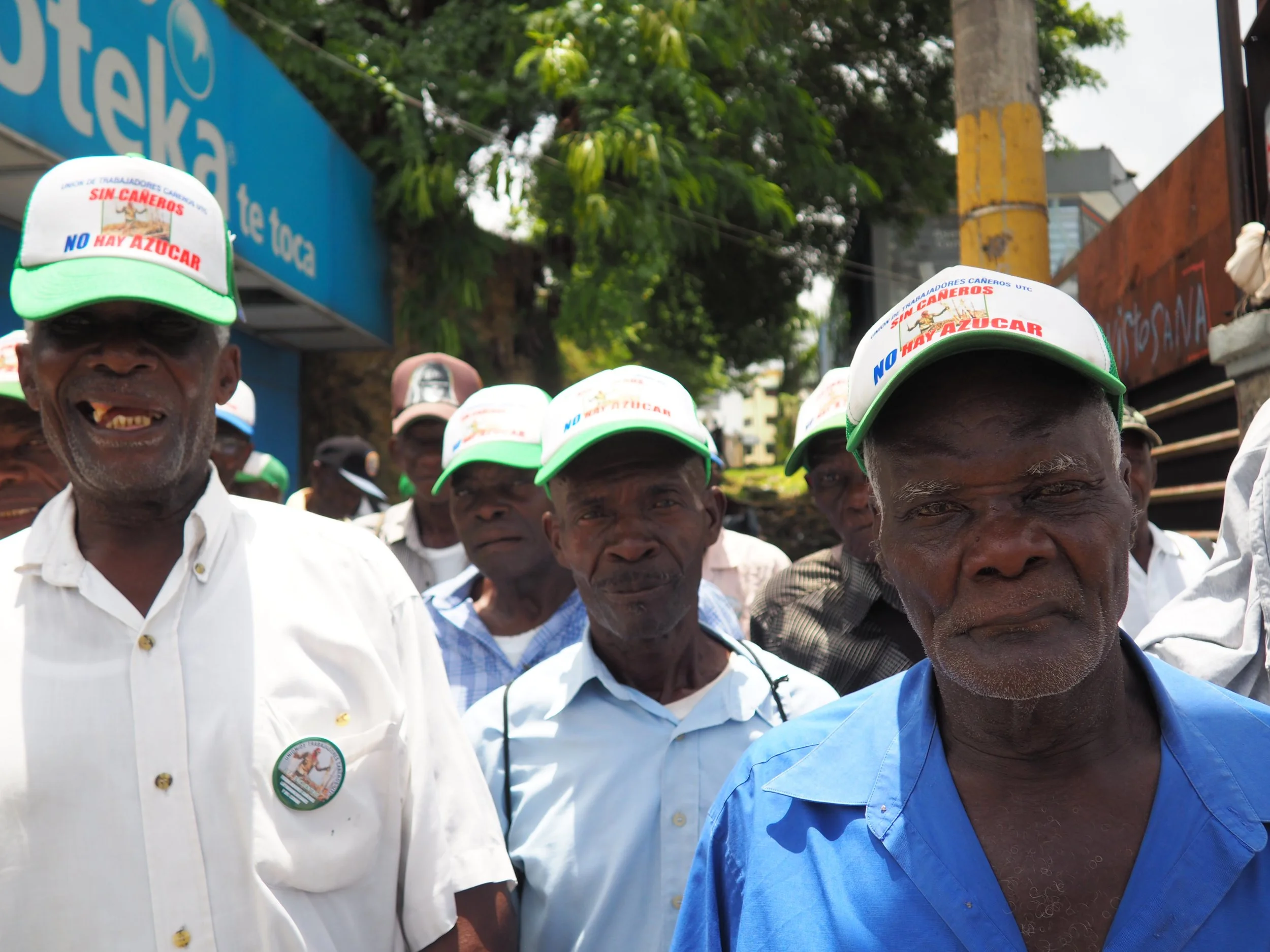
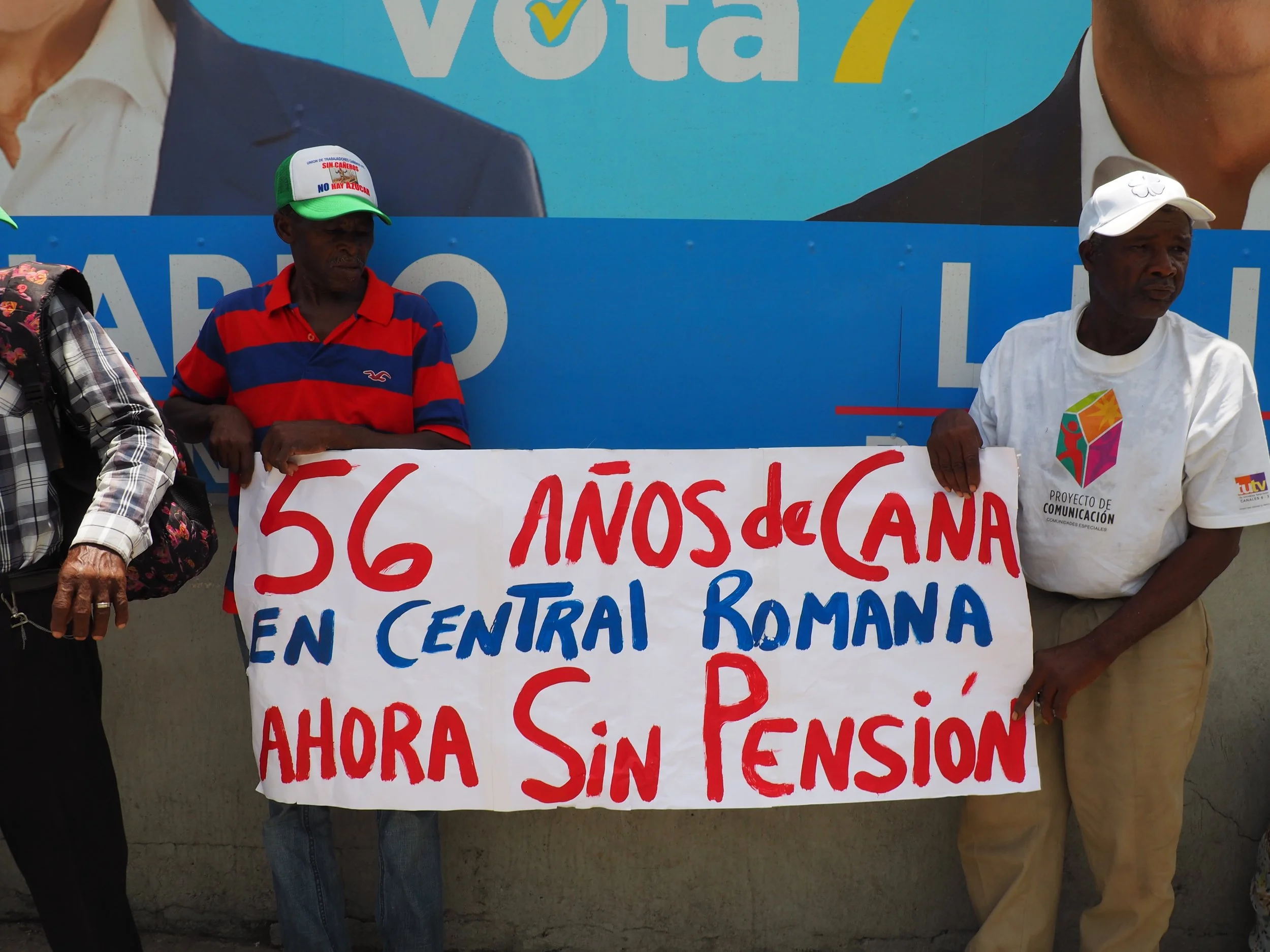
Aging Central Romana canecutters who are members of the Union de Trabajadores Cañeros, demonstrated in Santo Domingo in July 2024 after delivering a letter to the U.S. Embassy in which they called for the WRO to remain in place. Below, the banner in the left photo reads: “We demand the U.S. government not suspend the sanction against Central Romana forced labor of cañeros continues,” and on the right: “56 years of sugarcane at Central Romana, now without pension,” (Translation by CAL).

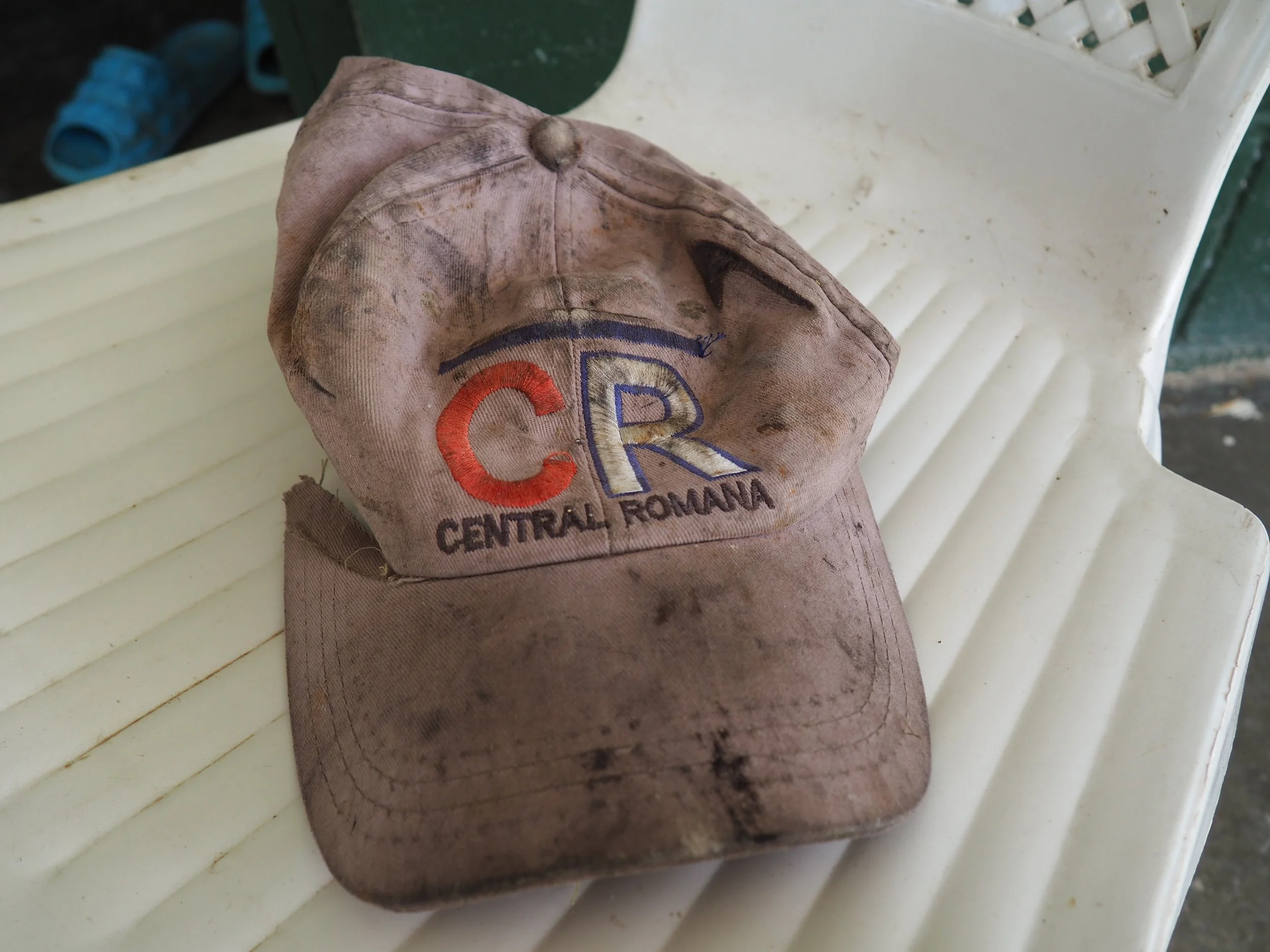

This report highlights a stark contradiction at the heart of U.S. trade policy: while the government publicly condemns forced labor—and advocates that other countries adopt bans on the importation of goods tainted by it—U.S. market access continues to be available to foreign industries in which reported abuse is widespread. As long as sugar and other well-positioned interests enjoy the benefits of such market access while failing to address reports of labor rights abuses in their supply chains, U.S. policy will risk complicity in the very kinds of abuse it claims to oppose.
-
We invited Central Romana to respond to our findings prior to publication of this report.
Their letter in response to our first request is available here. The company did not respond to a second request for comment.