


Main

Shell Agrees to Pay $15 million Euros to Nigerian Farmers and Fishermen

Shell Agrees to Pay $15 million Euros to Nigerian Farmers and Fishermen

For decades, Shell allowed oil to leak into the Niger Delta, destroying fields, making water undrinkable, and harming local populations. Over the years, there have been numerous cases filed against Shell, related to different aspects of Shell’s destruction of the Niger Delta and associated human rights abuses. (See here, here, and here.)  In December 2022, Shell settled one of these cases – for 15 million Euros – after a Dutch appeals court ordered the company to compensate victims harmed by Shell’s subsidiary, Shell Petroleum Development Company of Nigeria (SPDC). This blog post first describes the environmental and human rights abuses Shell has caused in the Niger Delta. It then explains Shell’s settlement and discusses the importance of this historic case and the settlement.

Print Friendly and PDF

Certification Schemes: Why Fairtrade International, Rainforest Alliance and Others are Failing Workers and Consumers

Certification Schemes: Why Fairtrade International, Rainforest Alliance and Others are Failing Workers and Consumers

These days, if you go into a grocery store, there are numerous labels on food products touting how ethical and sustainable the product is. Yet these certification labels often misrepresent the labor and environmental standards used to produce these products. Certification schemes, such as Fairtrade International, were initially developed to provide workers – often farm workers in rural areas – with increased income, better working conditions, and a steady stream of buyers. Moreover, they signaled to consumers that the products were produced sustainably, without exploiting workers, children, or the environment. 

Print Friendly and PDF

DOJ settlements and fines against Glencore and Lafarge won’t compensate victims of bribery practices and terrorist financing abroad, but it’s a start

DOJ settlements and fines against Glencore and Lafarge won’t compensate victims of bribery practices and terrorist financing abroad, but it’s a start

Last month, Glencore and Lafarge, two well-known multinationals, made international headlines after their guilty pleas for criminal conduct abroad led to multimillion dollar settlements and gave rise to civil claims. This post discusses the Glencore and Lafarge cases and their recent guilty pleas for bribery and for financing foreign terrorist organizations, respectively. These cases are discussed through the lens of the DOJ’s new strategy to prosecute corporate misconduct. This blog considers how these cases could be a starting point for corporate accountability and access to remedy, rather than as the gold standard.

Print Friendly and PDF

Two Years On: Corporate Power Yields to Nothing, Not Even Democracy

Two Years On: Corporate Power Yields to Nothing, Not Even Democracy

Two years ago, US democracy was threatened when election-denying citizens and militias stormed the US Capitol, demanding that federal representatives overturn the results of a valid election. This insurrection, while ultimately unsuccessful, cost lives and called into stark question the future of American democratic institutions. In the wake of this deadly attack, companies across the United States, including many of the largest, pledged not to support members of Congress who fueled the insurrection and voted — in the early morning of January 7, 2021, mere hours after Capitol windows were smashed and Capitol police were beaten — to abandon the winner of an election that was unambiguously fair and free.

A year ago today, on the first anniversary of this anti-democratic attack, we wrote about the scores of Fortune 500 companies that funded election-denying members of Congress, even after making — and, no doubt, profiting from — public vows not to. At that time, we said that better politics and stronger democratic institutions depended on reimagining corporate power. Consider this our progress report.

Print Friendly and PDF

Trabajadores en la República Dominicana apoyan la prohibición de importar azúcar a EEUU

Trabajadores en la República Dominicana apoyan la prohibición de importar azúcar a EEUU

 La semana pasada, más de 200 cañeros protestaron ante el Ministerio de Trabajo de la República Dominicana, pidiendo que se actúe sobre la situación de los derechos humanos en Central Romana a la luz de la WRO. Coordinador sindical Jesús Núñez, afirmó: "Estamos de acuerdo con las sanciones, pero no se pueden levantar sin respuesta a nuestras demandas". 

Print Friendly and PDF

Workers in Dominican Republic support US ban on sugar imports

Workers in Dominican Republic support US ban on sugar imports

Last week, more than 200 sugarcane workers protested before the Dominican Republic’s Ministerio de Trabajo (Ministry of Labor), calling for action on the human rights situation at Central Romana Corporation Limited in light of the US import ban on the company’s raw sugar and sugar products. Union Coordinator Jesús Nuñez said: “We’re on board with the sanctions, but they can’t be lifted without response to our demands.”

Print Friendly and PDF

LA CBP EMITE UNA ORDEN DE RETENCIÓN CONTRA LA EMPRESA AZUCARERA DOMINICANA CENTRAL ROMANA, PROVEEDORA DE DOMINO SUGAR Y FLORIDA CRYSTALS

LA CBP EMITE UNA ORDEN DE RETENCIÓN CONTRA LA EMPRESA AZUCARERA DOMINICANA CENTRAL ROMANA, PROVEEDORA DE DOMINO SUGAR Y FLORIDA CRYSTALS

El 23 de noviembre de 2022, la Oficina de Aduanas y Protección Fronteriza (CBP, por sus siglas en inglés) de los Estados Unidos emitió una Orden de Retención (WRO, por sus siglas en inglés) contra su producción de azúcar y productos azucareros producidos por Central Romana Corporation, Ltd (Central Romana) en la República Dominicana. Recibimos esta WRO y urgimos al CBP a que se asegure de que Central Romana adopte y a haga cumplir medidas efectivas para remediar las atroces condiciones de trabajo y el trabajo forzoso que tienen lugar en su propiedad y en las condiciones que la empresa creó.

Print Friendly and PDF

CBP Issues Withhold Release Order Against Dominican Sugar Company Central Romana, Supplier to Domino Sugar and Florida Crystals

CBP Issues Withhold Release Order Against Dominican Sugar Company Central Romana, Supplier to Domino Sugar and Florida Crystals

On November 23, 2022, Customs and Border Protection (CBP) issued a Withhold Release Order (WRO) against all sugar and sugar products produced by Central Romana Corporation Limited (Central Romana) in the Dominican Republic. We welcome this WRO and urge CBP to ensure that Central Romana takes real steps to remediate the egregious working conditions and forced labor taking place on its property and under conditions the company created.

Print Friendly and PDF

Advocates Urge CBP to Block Imports of Sugar from the Dominican Republic, Citing Forced Labor

Advocates Urge CBP to Block Imports of Sugar from the Dominican Republic, Citing Forced Labor

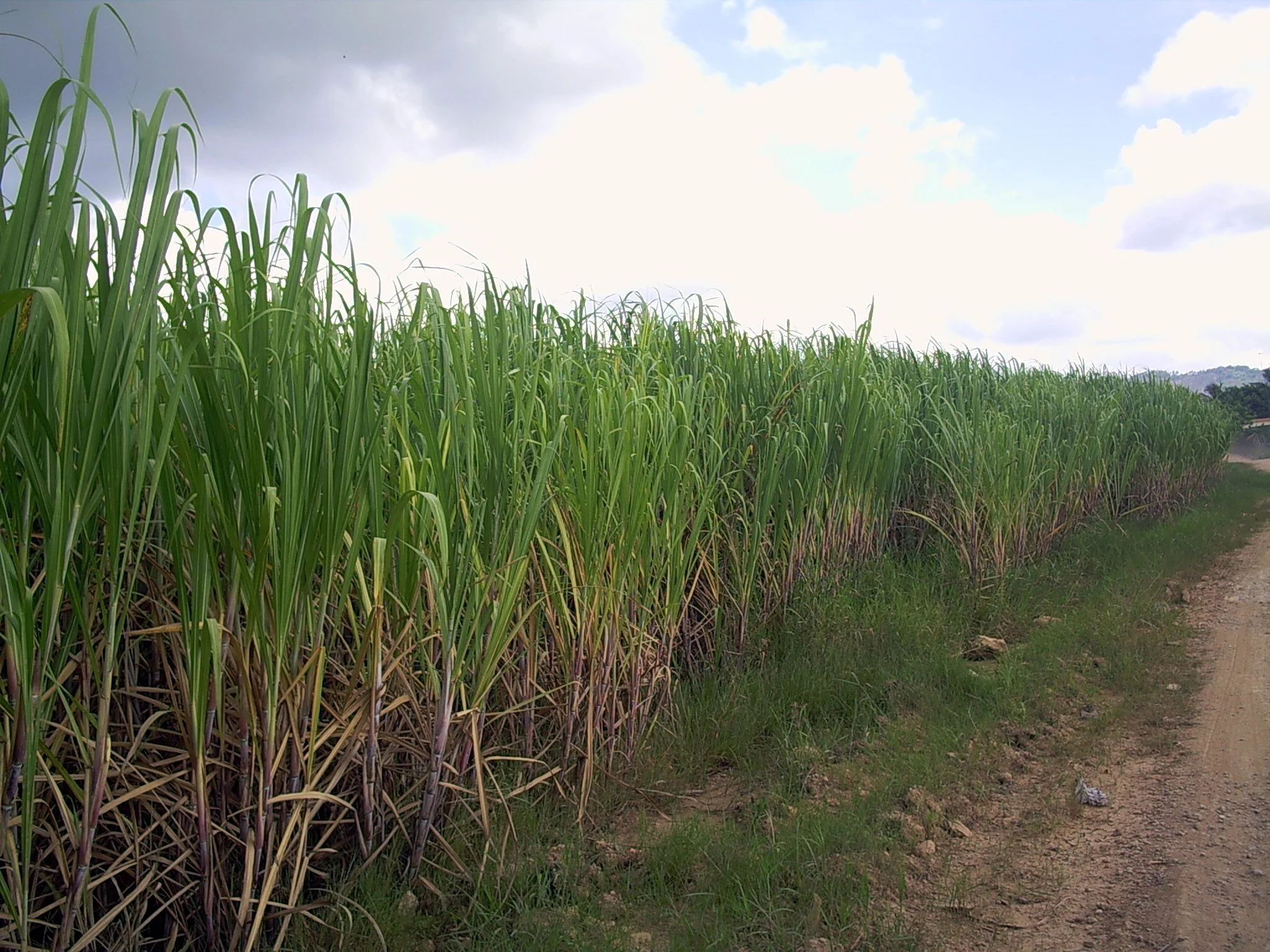
For decades, Central Romana’s sugarcane workers in the Dominican Republic have labored under dangerous conditions, often working thirteen hour days in the hot sun, cutting sugarcane with machetes, and earning poverty wages. Most workers live in Central Romana’s bateyes (essentially company towns) in dilapidated homes, many of which do not have running water or electricity. Moreover, most of Central Romana’s workers are Haitian or of Haitian descent. Although many were born in bateyes, they often lack documentation and regular immigration status – a result of discriminatory laws. Central Romana has exploited their workers’ vulnerability to keep them in conditions of forced labor.

Print Friendly and PDF

In 2020, Halloween Candy is (Still) Scary for People and the Planet 

In 2020, Halloween Candy is (Still) Scary for People and the Planet 

How, in 2020, can it be possible that nearly every piece of candy in a trick-or-treater’s bucket arrived there after a long journey that harmed both people and the planet? This post focuses on a few of the negative impacts associated with key ingredients in Halloween candy: cocoa (forced child labor; deforestation), sugar (forced displacement; forced labor; excessive water use), milk (climate change; abusive working conditions), and palm oil (deforestation; human rights abuses). We offer some considerations for conscious consumers to take into account while candy shopping, all the while recognizing that we as a community of global citizens are not going to be able to buy our way out of this scary reality.

Print Friendly and PDF

CAL & EarthRights Launch Updated Guide to Foreign Legal Assistance Statute, Allowing Attorneys Suing Companies Access to Discovery Process in the US

CAL & EarthRights Launch Updated Guide to Foreign Legal Assistance Statute, Allowing Attorneys Suing Companies Access to Discovery Process in the US

In 2019, CAL partnered with EarthRights International to update their Guide to the Foreign Legal Assistance statute. Given that the US is an increasingly difficult jurisdiction for transnational human rights cases against companies, this tool provides an opportunity for workers and community members to access key evidence located in the US even where they may not have been able to bring suit there. 

Print Friendly and PDF

Introducing our Colombian Transitional Justice Project & Newest Staff Member

Introducing our Colombian Transitional Justice Project & Newest Staff Member

CAL is excited to introduce our newest staff attorney, Tatiana Devia. In this introductory blog, Tatiana discusses CAL’s work related to Transitional Justice in Colombia, and how the Colombian armed conflict has played a role in her own story. You can reach Tatiana by email at tatiana.devia@corpaccountabilitylab.org.

Print Friendly and PDF

Sugar Companies Sued for Forcibly Evicting Sixty Families From Their Homes in the Dominican Republic

Sugar Companies Sued for Forcibly Evicting Sixty Families From Their Homes in the Dominican Republic

 On Monday, January 27, 2020, twenty-four men, women, and children sued the Central Romana Corporation and its parent company, the Fanjul Corporation, in U.S. district court for the companies’ forcible eviction of their homes in the Dominican Republic in January 2016.

Print Friendly and PDF