U.S. Shrimpers Seek to Block Imports of Indian Shrimp Made with Forced Labor under section 337 of the Tariff ACt of 1930
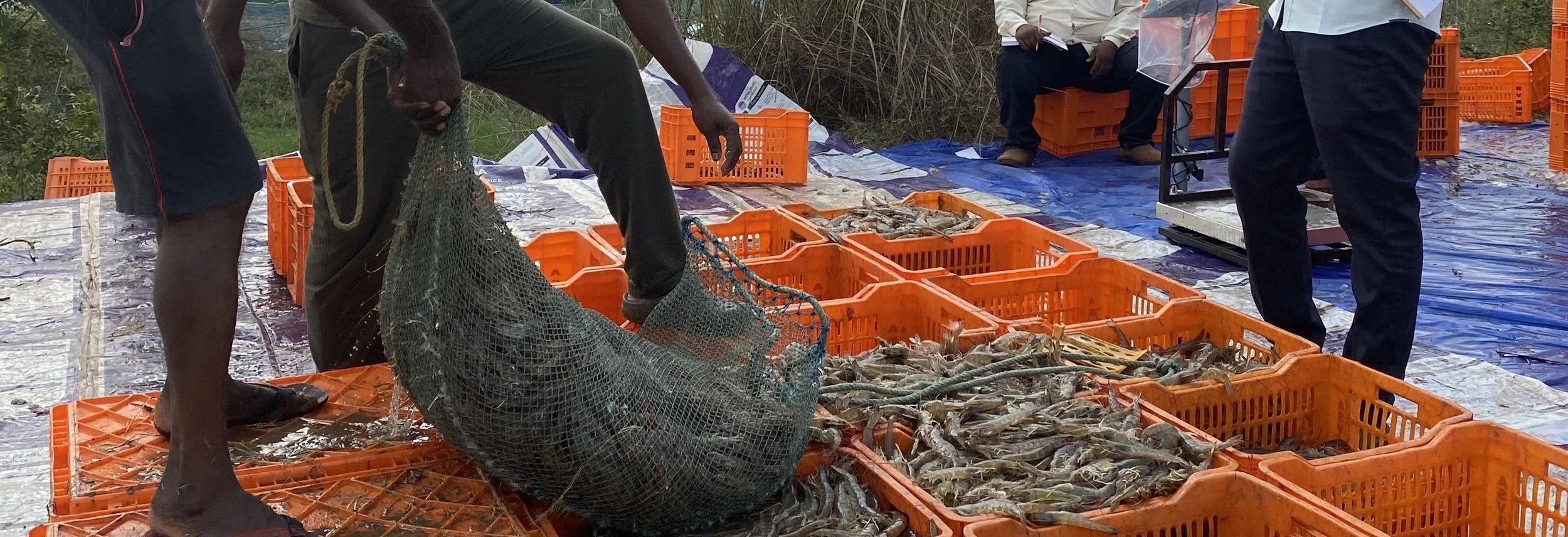
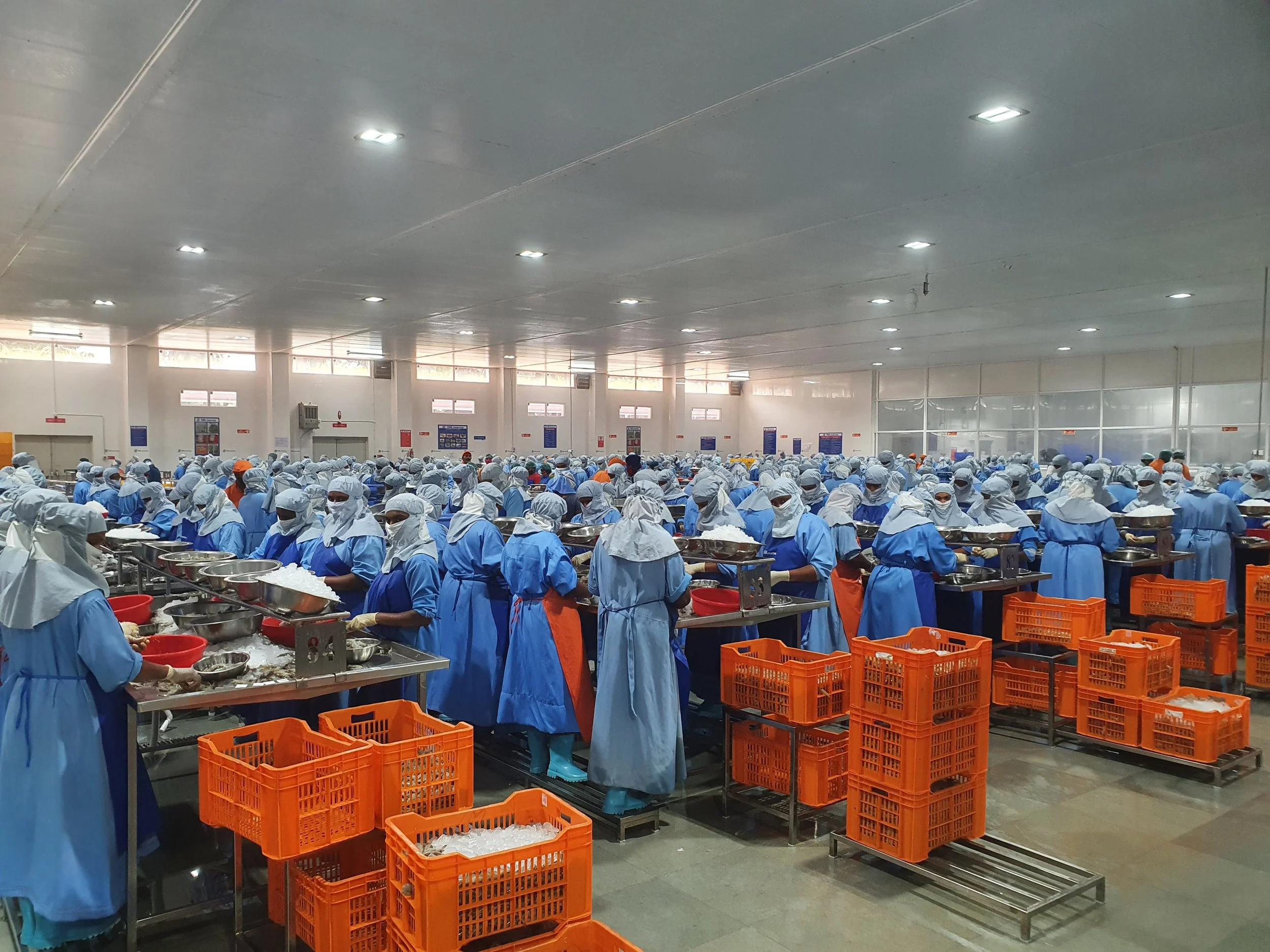

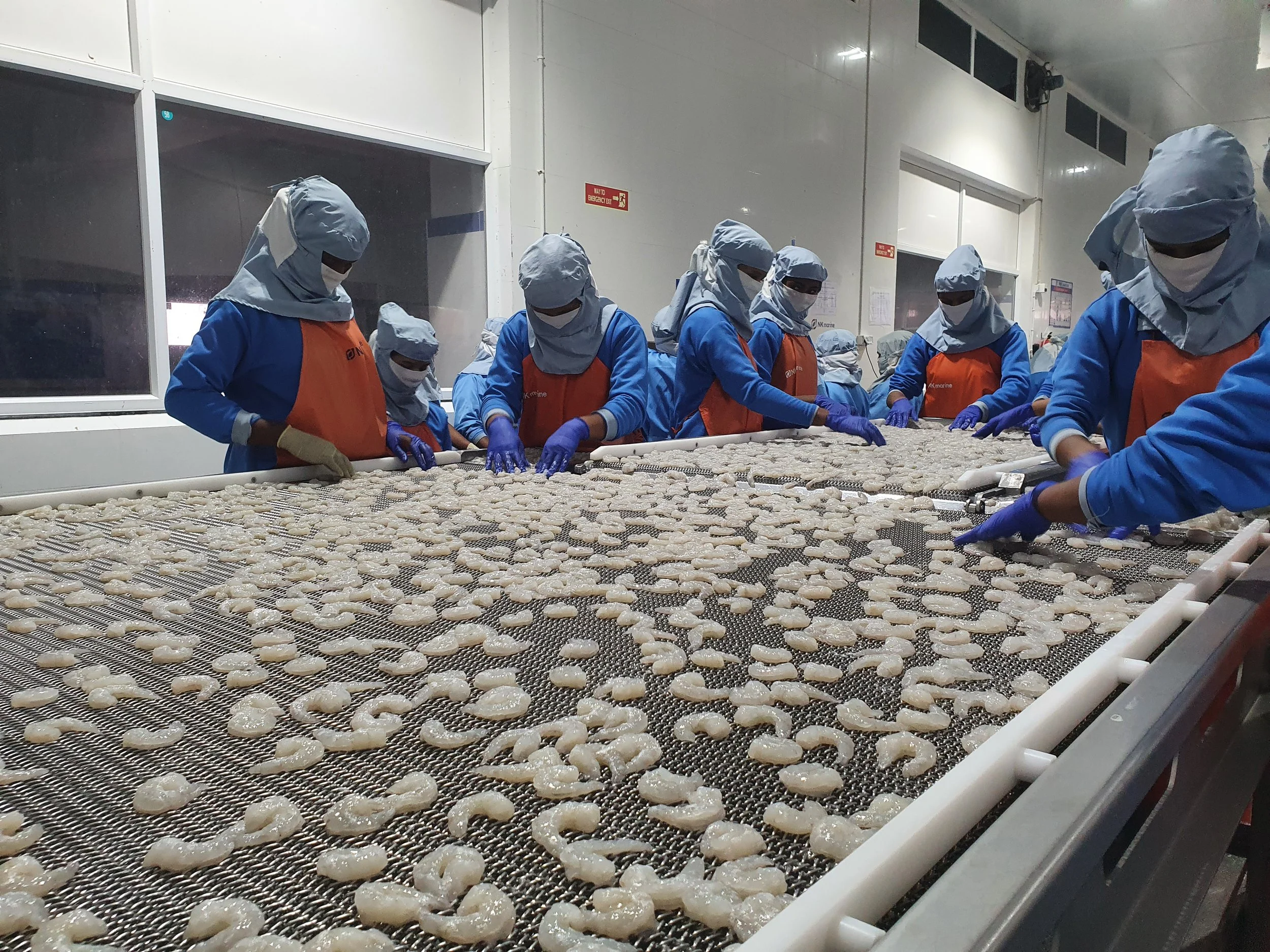
America’s favorite seafood is fueling global injustice, exploiting vulnerable workers, and putting U.S. shrimpers out of business. In October 2026, Corporate Accountability Lab (CAL) filed a legal claim on behalf of two U.S. shrimpers against imports of Indian shrimp produced with forced labor – seeking justice both for workers in India and for shrimpers in the United States.
CAL, together with co-counsel Picard, Kentz & Rowe, LLP, filed a complaint under Section 337 of the Tariff Act of 1930 with the U.S. International Trade Commission (ITC) on behalf of Versaggi Shrimp and W & W Dock, two U.S. commercial shrimpers. The Section 337 complaint asks the U.S. International Trade Commission (ITC) to determine whether forced labor in the supply chains of major seafood producer Nekkanti Sea Foods constitutes an unfair trade practice that harms domestic shrimp producers.
The complaint alleges that Nekkanti Sea Foods, a major Indian shrimp producer, uses forced labor to produce shrimp that reaches U.S. consumers via importers like Eastern Fish Company, and grocery stores including Aldi, Meijer, and Ahold Delhaize (the company behind well-known supermarkets Food Lion and Hannaford) – all of whom are also proposed respondents in the case. The complaint argues that forced labor decreases Nekkanti’s costs, allowing the company to sell its shrimp to U.S. retailers at lower prices. These imports unfairly undercut U.S. shrimpers like Versaggi Shrimp and W & W Dock, who play by the rules and respect fundamental labor rights – and, as a result, have higher production costs.
The complaint relies on evidence collected through multiple on-the-ground investigations in India and details abhorrent conditions in the Indian shrimping industry, including at two of Nekkanti’s facilities in Andhra Pradesh. According to the complaint, vulnerable migrant workers, many of them women and historically marginalized Dalit, are forced to live and work around the clock in hazardous conditions. Subject to recruitment fees, withheld wages, intimidation, and instances of debt bondage, their freedom of movement is severely restricted; workers report being constantly surveilled and in some cases only allowed to leave company facilities for a few hours per month.
CAL has previously documented widespread labor and environmental abuses in the Indian shrimp industry. CAL’s 2024 report, Hidden Harvest, details exploitative labor conditions, including forced labor, throughout the Indian shrimp sector. Additional reports – including from The Associated Press, The Outlaw Ocean Project, and CNN – confirm CAL’s findings.
Certification schemes, such as Best Aquaculture Practices (BAP), overlook the abuses in the industry, providing misleading assurances of sustainability. CAL’s investigations documented abusive practices – including forced labor – in BAP-certified shrimp production facilities, including at two of Nekkanti’s facilities in Andhra Pradesh.
These companies are profiting off the backs of vulnerable and exploited workers in India. This legal action is intended to force Nekkanti, Eastern Fish, Aldi, Meijer, and Ahold Delhaize to face the reality of forced labor in their shrimp supply chains, which results in harm to U.S. shrimpers. Section 337 presents an opportunity for the ITC to protect U.S. shrimpers from unfair competition and to improve working conditions for shrimp workers in India.
CASE UPdates
-
CAL and co-counsel Picard, Kentz & Rowe, LLP, filed a complaint under Section 337 of the Tariff Act of 1930 with the U.S. International Trade Commission (ITC) on behalf of Versaggi Shrimp and W & W Dock, seeking to prohibit the importation of Indian shrimp produced with forced labor into the U.S. market. The case is based on the recognition that forced labor is a method of unfair competition under Section 337