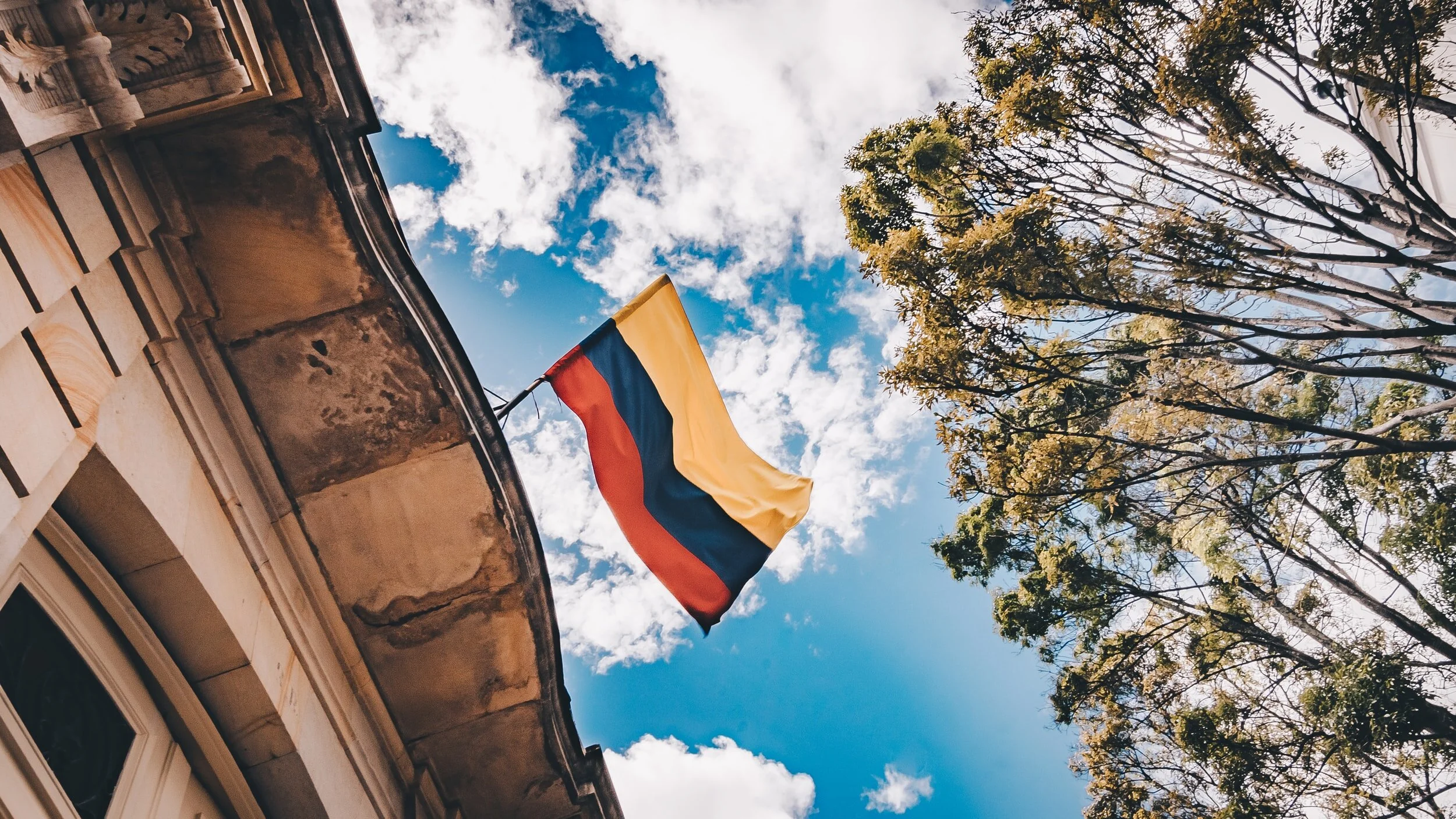


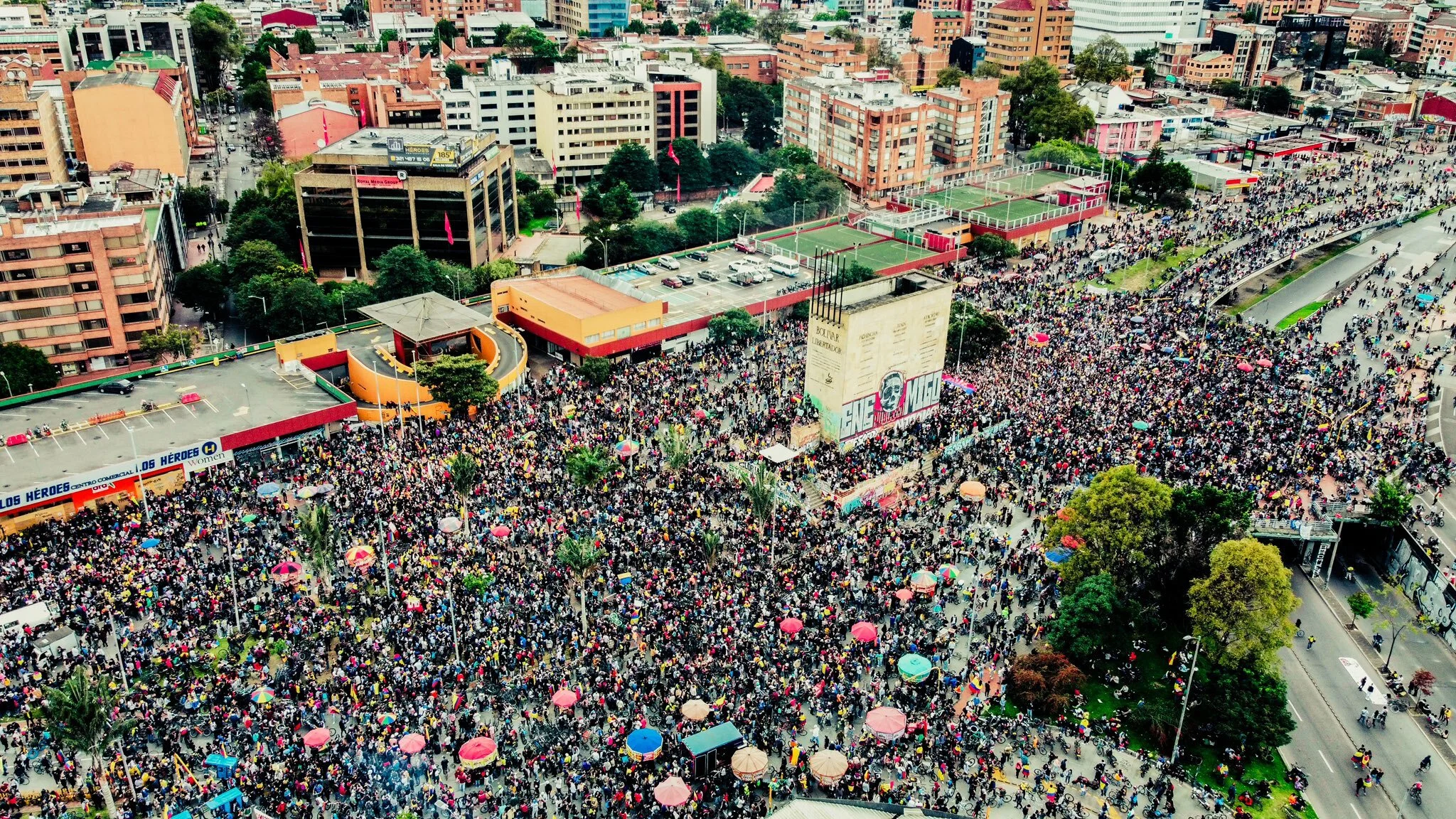
Although the Colombian government’s proposed tax reform ignited the protests that started all over the country on April 29, the motives behind the ongoing national strike are diverse. This is why, when President Duque announced that he was going to withdraw the tax reform from Congress five days after protests began, the strike didn’t stop.

Hamida Begum v. Maran (UK) Limited: Shipbreaker’s Death Turning the Tide in Third-Party Liability Claims Under English Law
While large shipping vessels are meant to last for years, all vessels eventually reach the end of their working lives. These vessels must then be dismantled, a process known as shipbreaking. Maran, a UK-based company, sold a shipping vessel to a demolition cash buyer to have its shipping vessel demolished. This post focuses on a decision issued by the Court of Appeals for England and Wales on March 20, 2021, against Maran’s appeal of the trial court’s decision denying Maran’s application for reverse summary judgment.
In Support of Environmental & Human Rights Defender Jani Silva
Colombian Human Rights and Environmental Defender Jani Rita Silva and her organization, the Asociación de Desarrollo Integral Sostenible Perla Amazónica (ADISPA), have recently received threats challenging their work to defend the Campesino Reserve of the Amazon Pearl of Putumayo, Colombia from corporate abuse.
Valmore Locarno, Victor Orcasita and Gustavo Soler’s legacy - a 20-year relentless pursuit of truth and justice in an armed-conflict setting
March 2021 marked the 20th anniversary of the killings of union leaders Valmore Locarno and Victor Orcasita at the hands of Colombian paramilitary members from the Autodefensas Unidas de Colombia (AUC), allegedly funded, in part, by Alabama-based coal company Drummond Co.
Escazú: el llamado para proteger a líderes y lideresas ambientales en el Día de la Tierra
En 2019, dos tercios de los asesinatos a defensores del medio ambiente en todo el mundo tuvieron lugar en América Latina. Esta tendencia no es nueva. En la última década, las comunidades que defienden sus tierras ancestrales y ecosistemas altamente biodiversos en esta región han sido consistentemente las más afectadas a nivel mundial: entre 2009 y 2019 se registraron al menos dos mil eventos victimizantes contra hombres y mujeres y doscientos contra organizaciones que defienden el medio ambiente y la tierra.
Amazon’s Working Conditions in Alabama are the Tip of the Iceberg
In a 2019 segment on working conditions in Amazon’s eerily named “fulfillment centers,” Comedian John Oliver gave the world’s largest e-commerce company the brilliant faux-tagline: “Amazon: try not to think about it.” But as the world watched the historic unionization drive at an Amazon fulfillment center in Bessemer, Alabama unfold over the last several months, ending with a defeat to the organizers earlier this month, the reality of Amazon's labor practices have become harder to ignore.
Biden Administration Executive Order on Supply Chains is an Opportunity to Fight Forced Labor
In February 2021, just a month after taking office, President Biden issued an Executive Order (EO) aimed at increasing the resilience of US supply chains. The EO instructs the heads of numerous agencies, including the Departments of Commerce, Defense, Health and Human Services and Energy, to conduct a 100-day review of supply chain risks related to such goods as semiconductors, batteries, minerals and other rare earth elements, and pharmaceuticals.
Introducing Our New Staff Attorney Samee Haque, and And Why IP Law is the Perfect Bridge Between Ethics and Tech
CAL is continuing to expand its presence in the IP space with the addition of our newest staff attorney, Sameeul Haque. In this introductory blog, Samee discusses CAL’s work with Ethical Source, an organization dedicated to empowering those in the open source tech community to exercise their rights as developers to ensure that their software is used for social good and in service of human rights. You can reach Samee by email at sameeul@corpaccountabilitylab.org.
Pourquoi nous avons créé un laboratoire social sur la responsabilité des entreprises en matière de justice transitionnelle
En collaboration avec l’African Coalition for Corporate Accountability (ACCA), la Comisión Intereclesial de Justicia y Paz (CIJP) et Dejusticia, CAL a récemment lancé le Laboratoire sur la Responsabilité des Entreprises pour une Paix Durable (Laboratoire CLASP, pour son acronym en anglais), un laboratoire social dont l'objectif est de faire progresser la responsabilité des entreprises dans les contextes post-conflictuels et transitoires du monde
Por Qué Creamos un Laboratorio Social sobre la Rendición de Cuentas Empresarial en la Justicia Transicional
En colaboración con el African Coalition for Corporate Accountability (ACCA), la Comisión Intereclesial de Justicia y Paz (CIJP) y Dejusticia, CAL recientemente lanzó el Laboratorio de Rendición de Cuentas Empresarial para una Paz Sostenible (Laboratorio CLASP, por sus siglas en inglés)-- un laboratorio social convocado para avanzar la rendición de cuentas empresarial en contextos posconflictos y transicionales en el mundo.
Why We Created A Social Lab On Corporate Accountability In Transitional Justice
In collaboration with the African Coalition for Corporate Accountability (ACCA), the Comisión Intereclesial de Justicia y Paz (CIJP), and Dejusticia, CAL recently launched the Corporate Liability and Sustainable Peace (CLASP) Lab-- a social lab convened to advance corporate accountability in post-conflict and transitional settings around the world.
El Arte de Operar con Impunidad: La Historia de Cerrejón en la Guajira Colombiana
Recientemente, varias ONG internacionales y colombianas presentaron quejas simultáneas contra las tres empresas accionistas de Cerrejón en Colombia, Glencore, BHP y Anglo American, alegando graves violaciones de derechos humanos y una devastadora contaminación ambiental por efecto de la actividad minera de Cerrejón.
Escazú: Setting Protections for Environmental Defenders in Latin America and the Caribbean
In 2019, two-thirds of worldwide environmental defenders killings took place in Latin America. This trend is not novel. In this last decade, communities that defend ecosystems and rich biodiversity hotspots in Latin America have been consistently the worst-affected worldwide: at least two thousand victimizing events against men and women and two hundred against organizations defending the environment and the land were recorded.
Okpabi v. Shell: A Shifting Tide in Parent Company Liability?
While 2021 has not yet been the year we were hoping for, there is one bright spot: European courts are beginning to hold parent companies liable for human rights abuses committed outside the home country. In January 2021, the Hague Court of Appeal found Royal Dutch Shell’s (Shell) Nigerian subsidiary, Shell Petroleum Development Company (SPDC), liable for oil spills that occurred in the Niger Delta, an oil-rich region in Nigeria.
From Cote d’Ivoire to Chicago: The Impact of Covid-19 on Workers in the Chocolate Supply Chain
With Valentine’s Day upon us, we know that chocolate sales will increase. Hearts of chocolate wrapped in red will find their way into peoples’ homes, along with truffles and fancy bars. But as we celebrate yet another chocolate-focused holiday, it’s important to remember how chocolate is produced and who is making and selling it.
How to get away with impunity: Cerrejón’s evasion from accountability
Last month, several international and Colombian NGOs filed simultaneous complaints against Glencore, BHP, and Anglo American, parent companies of the Cerrejón coal mine in Colombia, alleging serious human rights violations and devastating environmental pollution. The complaints were filed with the National Contact Points (NCPs) of the OECD in Australia, Switzerland, and the United Kingdom.
Shell Must Compensate Farmers for Niger Delta Destruction
A Dutch appeals court reversed a lower court decision and found Shell Petroleum Development Company of Nigeria (SPDC), responsible for several oil spills impacting three Niger Delta communities. In a first for a Dutch court, it also found that Royal Dutch Shell, SPDC’s parent company, breached a duty of care for foreign operations.
CBP issues Regional WRO Against all Cotton and Tomato Products from XUAR
On January 14, 2021, Customs and Border Protection (CBP) issued a Withhold Release Order (WRO) banning all cotton and tomatoes and all goods made with cotton and tomatoes from the Xinjiang Uyghur Autonomous Region (XUAR) in China from entering the United States. Under Section 307 of the Tariff Act of 1930, CBP has the authority to prohibit the importation of all goods produced with forced or prison labor.
CBP issues WRO against XPCC
On Wednesday, December 2, Customs and Border Protection (CBP) released a Withhold Release Order (WRO) against cotton and cotton products from the Chinese state-owned company Xinjiang Production and Construction Corps (XPCC) and all its subordinates and affiliated entities. In August, CAL had joined other rights groups in writing a petition, asking CBP to issue a regional WRO which would ban all cotton products from the Xinjiang Uyghur Autonomous Region in China.
Combating Corporate Impunity After Conflict: Opportunities in the Colombian Transitional Justice Process
For months, CAL has worked on strategies designed to hold corporate actors accountable for their role in the Colombian armed conflict. A conflict that lasted for over five decades, displaced millions of families, and left thousands of casualties. A few months ago, we published this blog which provides background on the Colombian armed conflict and CAL’s multi-layered project developing unique legal strategies to hold corporate actors responsible for their conduct.