

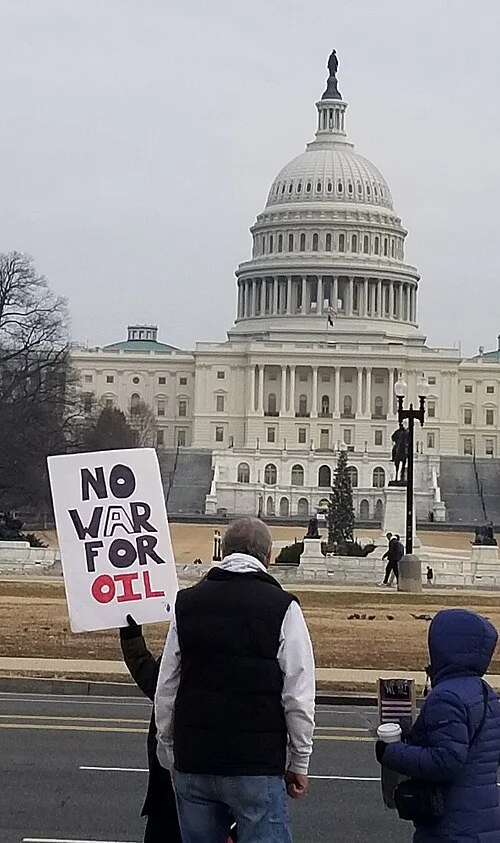
While there are many critiques that could be leveled against the Trump administration in light of Maduro’s arrest, this article questions whether corporate capture of the U.S. government may be driving Trump’s increasingly interventionist foreign policy. Before this month’s operation, Trump justified his administration’s action against Venezuela, including striking more than thirty boats in the Caribbean and threatening future attacks on land, by claiming he was targeting drug-trafficking networks. And in fact, Maduro was arraigned on drug-trafficking charges in federal court in New York. But in the immediate aftermath of Maduro’s arrest, Trump started to discuss Venezuelan oil with increasing frequency, leading us to wonder whether getting “wealth out of the ground” was a deciding factor in the operational decision-making.

Five Reasons Litigators Should Join the Climate Fight
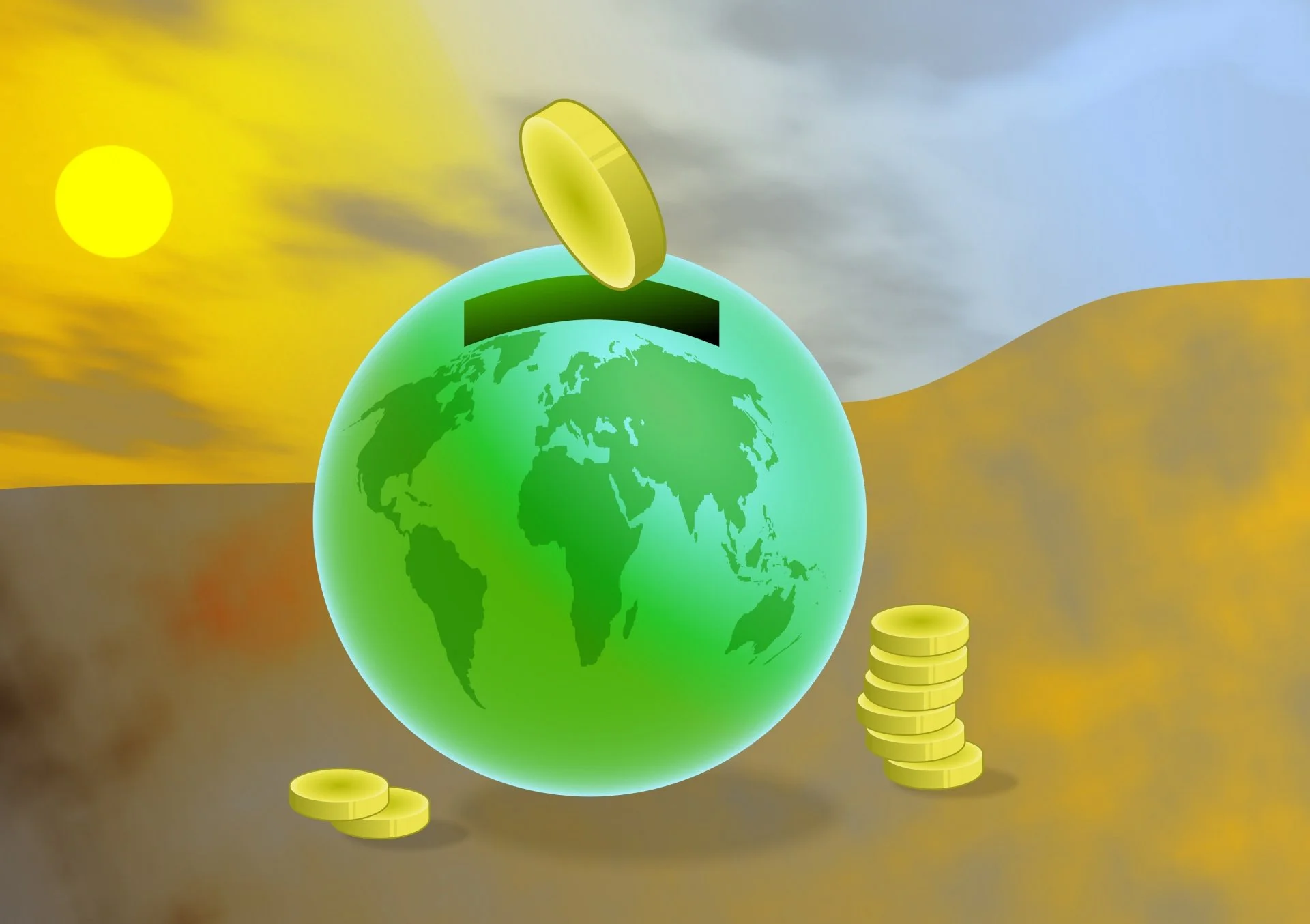
Scaling up climate civil litigation against corporations, the largest greenhouse gas emitters, can hold them accountable for their actions and mitigate additional harms. Climate change litigation can drive down greenhouse gas emissions; push for better responses to the effects of climate change; or provide compensation to impacted communities. By leveraging the creative potential of the law and prioritizing legally viable, replicable, and impactful strategies, litigators may be able to secure remedies that effectively change corporate behavior and create institutional change.
The climate crisis calls for an all-hands-on-deck response, and litigators from various fields have a critical role to play. For those still on the fence about whether to get involved, here are five reasons why now is the time to bring your unique skill set to the climate fight.
One Year After 30 Cocoa Farmers Filed a Grievance, COCOBOD is Still Failing Farmers
Following decades of failed regulatory action in Ghana that has allowed chocolate companies to continuously undercut cocoa farmers, in October 2024, a group of 30 farmers brought four demands before the Ghana Cocoa Board (COCOBOD). On October 31, 2024, Corporate Accountability Lab (CAL), the University of Ghana School of Law, and Civic Response (Ghana) submitted a grievance to COCOBOD’s grievance and redress mechanism on behalf of 30 cocoa farmers. Yet in the year since filing, COCOBOD has done little to respond to the documented violations – or to improve conditions for cocoa farmers or protect the environment in Ghana.
Spooky Sweets: The Frightening Reality of the 2025 Cocoa Market
The cocoa industry is complex, and volatile market prices and companies’ responses can easily grab consumers’ attention this Halloween season. But we should not simply focus on big corporations and market forces and ignore the human reality behind the dollar sign. Climate change, deforestation, and disease are doing more than raising the cost of Halloween candy; they are threatening the livelihoods of the many farmers who helped make the season so sweet.
Alame & ors. v. Shell Plc: UK Court Rejects Shell’s Attempt to Escape Liability for Nigerian Oil Pollution
After nearly a decade of legal back-and-forth, a major decision from the UK High Court has moved the case against Shell plc (Shell) and its former Nigerian subsidiary one step closer to trial. On June 20, the Court ruled that the Bille and Ogale communities in Ogoniland in the Niger Delta can pursue claims for environmental harm dating back decades, rejecting Shell’s attempt to escape liability based on procedural technicalities. For the tens of thousands of residents living with the aftermath of oil spills, this ruling opens a path forward. And for others watching from across the globe, where multinational corporations have extracted resources and left destruction behind, it’s a moment worth paying attention to.
Nothing About Us Without Us: The Ogoni Demand Environmental Justice and Inclusion in Discussions around Oil Drilling Resumption
On January 21, 2025, President Bola Tinubu of Nigeria met with members of the Ogoni community of the Niger Delta to discuss the potential resumption of oil drilling within their lands. Oil extraction was halted over two decades ago, after the Ogoni people organized to end Shell’s destructive presence within their community. Ogoniland, which was once home to a rich tapestry of biodiversity, is now one of the most polluted regions on the planet.
30 FARMERS SUBMIT GRIEVANCE TO THE GHANA COCOA BOARD USING AGENCY’s GRIEVANCE AND REDRESS MECHANISM
Ghana is the second largest producer of cocoa in the world, home to over 800,000 smallholder farmers who make up about 60 percent of Ghana’s agricultural workforce. Despite the massive profits that global chocolate companies earn, poverty is pervasive in Ghana’s cocoa-growing communities. According to the 2022 Cocoa Barometer, an overwhelming majority of farmers and their families live in poverty: the average cocoa farmer earns between $0.40 and $0.45 USD per day, whereas the living wage in Ghana is estimated as of 2022 to be $13.5 USD per day. Meanwhile, chocolate companies have been making record profits despite the pandemic and global inflation.
Can the U.S. Energy Transition Be “Just” If Critical Mineral Extraction Exploits Workers and Pollutes Communities?
While the just transition is gestured at as a solution to the climate crisis, the extraction of critical minerals that underlies the transition often violates human rights and causes environmental damage, underscoring the limitations of the growth-focused economic model. A truly just transition is ultimately a regenerative one, of ecological resilience and reduced resource consumption. But until that can be achieved, green energy supply chains must be improved. Workers and others directly impacted by the energy transition’s thirst for critical minerals must be treated with dignity, agency, and autonomy.
Shell to face constitutional claims for violating the right to a clean environment
On November 22, 2023, the United Kingdom’s (UK) High Court found that 13,000 Nigerian fisherman and farmers from the Ogale and Bille communities in the Niger Delta can bring landmark human rights claims against Shell for breaches of the communities’ right to a clean environment. Shell, a British-Dutch company, first began extracting oil from the biodiverse Niger Delta in the late 1950s under a joint venture it established with the Nigerian government just four years before Nigeria gained independence from Great Britain.
Thirty Years Later: The Resilience of the Ogoni
Thirty years ago, the Ogoni people of the Niger Delta in Nigeria drove the multinational oil company Royal Dutch Shell (Shell) out of their territory. This nonviolent movement, led by the Movement for the Survival of the Ogoni People (MOSOP), was extraordinarily powerful. Yet, as CAL staff members saw on a visit to Ogoni in early March 2023, the struggle is far from over. The harm the oil industry wrought on this community in the 1990s runs the gamut from environmental devastation, to political oppression, to rape and murder. The dilapidated oil infrastructure in Ogoni appears to still be leaking oil into the environment, children and adults still suffer health impacts, and the fish (traditionally a major source of protein for the Ogoni population) remain scarce. But the joy and spirit of resistance is also still alive.
Shell Agrees to Pay $15 million Euros to Nigerian Farmers and Fishermen
For decades, Shell allowed oil to leak into the Niger Delta, destroying fields, making water undrinkable, and harming local populations. Over the years, there have been numerous cases filed against Shell, related to different aspects of Shell’s destruction of the Niger Delta and associated human rights abuses. (See here, here, and here.) In December 2022, Shell settled one of these cases – for 15 million Euros – after a Dutch appeals court ordered the company to compensate victims harmed by Shell’s subsidiary, Shell Petroleum Development Company of Nigeria (SPDC). This blog post first describes the environmental and human rights abuses Shell has caused in the Niger Delta. It then explains Shell’s settlement and discusses the importance of this historic case and the settlement.